Blog
The Property Manager’s Guide to Sustainable Metal Restoration at Scale

Managing a single property is a challenge; managing a portfolio is a marathon. When you are overseeing thousands of square feet of Class A office space, luxury multi-family units, or sprawling commercial complexes, the details often get lost in the sheer volume of work. One detail that frequently suffers? The architectural metal.
Elevator cabs, entrance doors, window frames, and decorative fixtures are the face of your property. Over time, oxidation, scratches, and simple wear-and-tear take their toll. For the modern property manager, the old-school solution of "rip it out and replace it" is no longer viable. It’s too expensive, too disruptive, and frankly, it’s an environmental nightmare.
At Aspen Metal Services, we’ve seen firsthand how the shift toward sustainability is changing the landscape of property management maintenance. It is no longer just about looking good: it’s about operating smart.
THE SUSTAINABILITY IMPERATIVE: BEYOND THE BUZZWORD
Sustainability in metal restoration isn’t just a trend: it’s a financial and operational strategy. As stakeholders and insurers push for net-zero objectives, property managers are being held to higher standards of environmental stewardship. But here is the secret most contractors won't tell you: the most sustainable option is also the most cost-effective.
When you restore rather than replace, you are participating in "source reduction." By salvaging and refinishing existing bronze, stainless steel, or aluminum, you prevent tons of architectural waste from hitting landfills. You also bypass the massive carbon footprint associated with mining, refining, and transporting new raw materials.
Think about it: Why commission a new set of custom bronze entrance doors when the existing ones are structurally sound but aesthetically tired? Restoration returns that metal to its original luster for a fraction of the cost, aligning your maintenance schedule with your ESG (Environmental, Social, and Governance) goals.

SCALING WITHOUT THE CHAOS: THE LOW-DISRUPTION MODEL
The biggest hurdle to large-scale restoration projects is the fear of disruption. Property managers dread the "work in progress" signs, the smell of solvents, and the obstructed pathways that lead to tenant complaints. Scaling a restoration project across multiple buildings requires a level of logistical precision that most local handymen simply can’t provide.
Efficiency at scale is built on three pillars:
- Phased Implementation: We don't shut down your entire lobby. We work in zones, ensuring that foot traffic remains fluid and tenants are barely aware that a transformation is taking place.
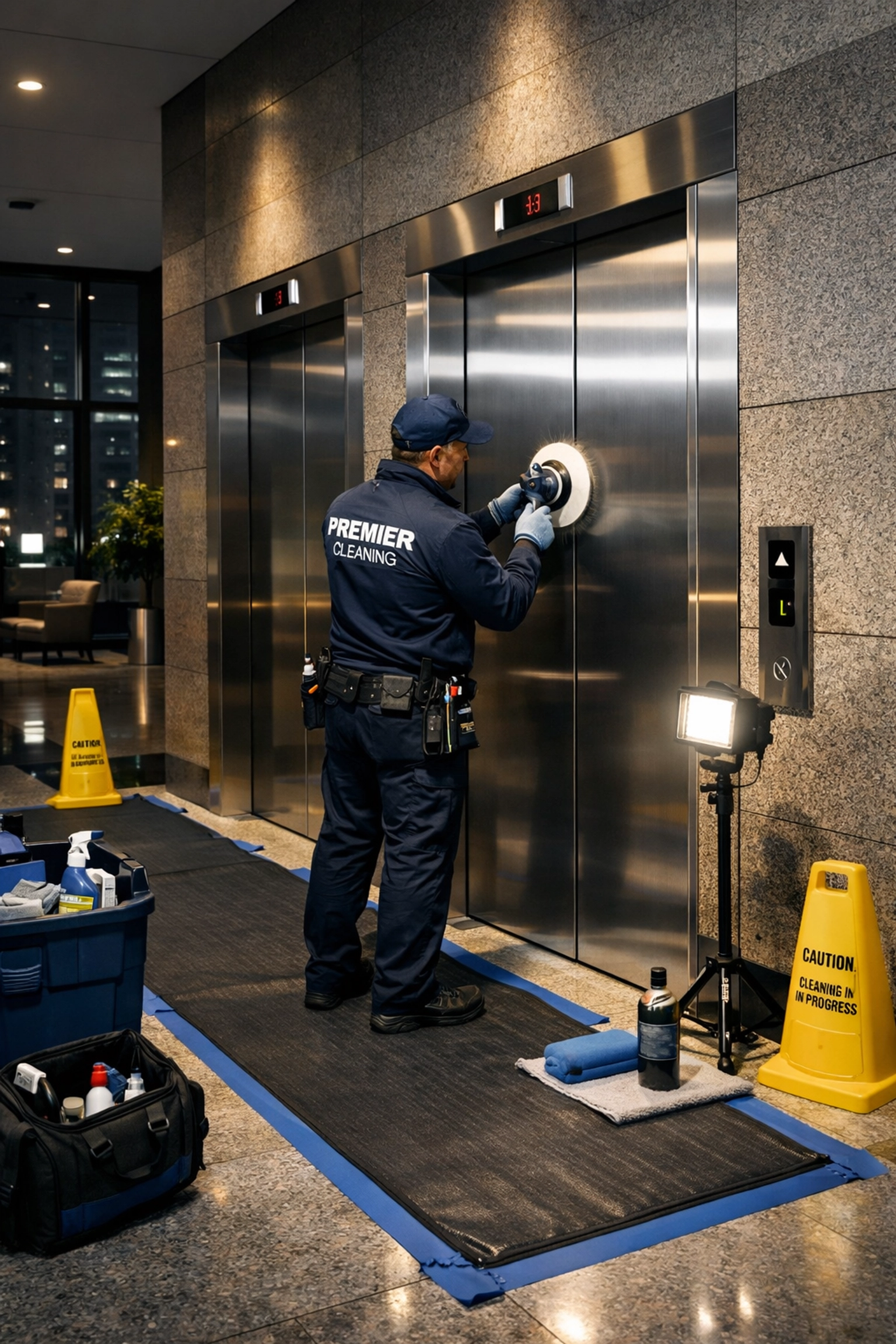
- Night and Weekend Logistics: Metal restoration is high-impact visually but can be low-impact operationally if scheduled correctly. We specialize in scheduling metal maintenance without disrupting business, often working while your building sleeps.
- Clean-Site Protocols: Professional restoration shouldn't leave a mess. We use advanced containment and HEPA-filtration systems to ensure that dust and odors are neutralized at the source.
For more on how to manage these logistics, check out our guide on how to restore your building without scaring away tenants.
A LA CARTE PRICING: FLEXIBILITY FOR THE MODERN BUDGET
Budgeting for a portfolio is an exercise in compromise. Some buildings require a full mechanical refinish, while others just need a deep cleaning and a fresh protective coating. One of the biggest mistakes we see in property management maintenance is the "blanket quote": a one-size-fits-all price that overcharges for simple tasks and under-delivers on complex ones.
Aspen Metal Services operates on a customizable, a la carte pricing model. This allows property managers to prioritize their spend based on the specific needs of each asset.
Maybe Building A needs a full restoration of the elevator cabs to boost tenant satisfaction, while Building B only needs a seasonal polish on the exterior storefronts. By breaking down services into specific, actionable items, you can scale your maintenance program up or down depending on your quarterly budget. It’s about precision, not guesswork.
THE TWO-PRONGED APPROACH TO GREEN RESTORATION
True sustainability at scale requires looking at both the internal operations of your service provider and the on-site processes they employ. When vetting a metal restoration partner, you should look for a two-pronged approach:
1. Internal Operational Efficiency
Does your contractor use paperless invoicing? Do they optimize their routes to reduce fuel consumption? Do they utilize high-efficiency equipment? These internal choices reflect a company’s commitment to the same sustainability goals you are trying to reach.
2. On-Site Technical Material Management
The process itself must be green. This includes:
- Low-VOC Coatings: Using high-performance, low-volatile organic compound coatings that protect the metal without off-gassing harmful chemicals into your building’s HVAC system.
- Salvage & Reuse: A focus on repairing damaged panels or hardware rather than suggesting a total replacement.
- Waste Management: Ensuring that any materials removed: such as old sealants or metal shavings: are disposed of or recycled according to strict environmental regulations.
WHY FIRST IMPRESSIONS ARE A RETENTION TOOL
We often talk about "curb appeal," but in the world of high-end property management, it’s really about "trust appeal." If a prospective tenant walks up to an entrance door that is pitted, oxidized, or covered in fingerprints, they subconsciously question the maintenance of the entire building. If you can't keep the door clean, are you keeping the boilers serviced?
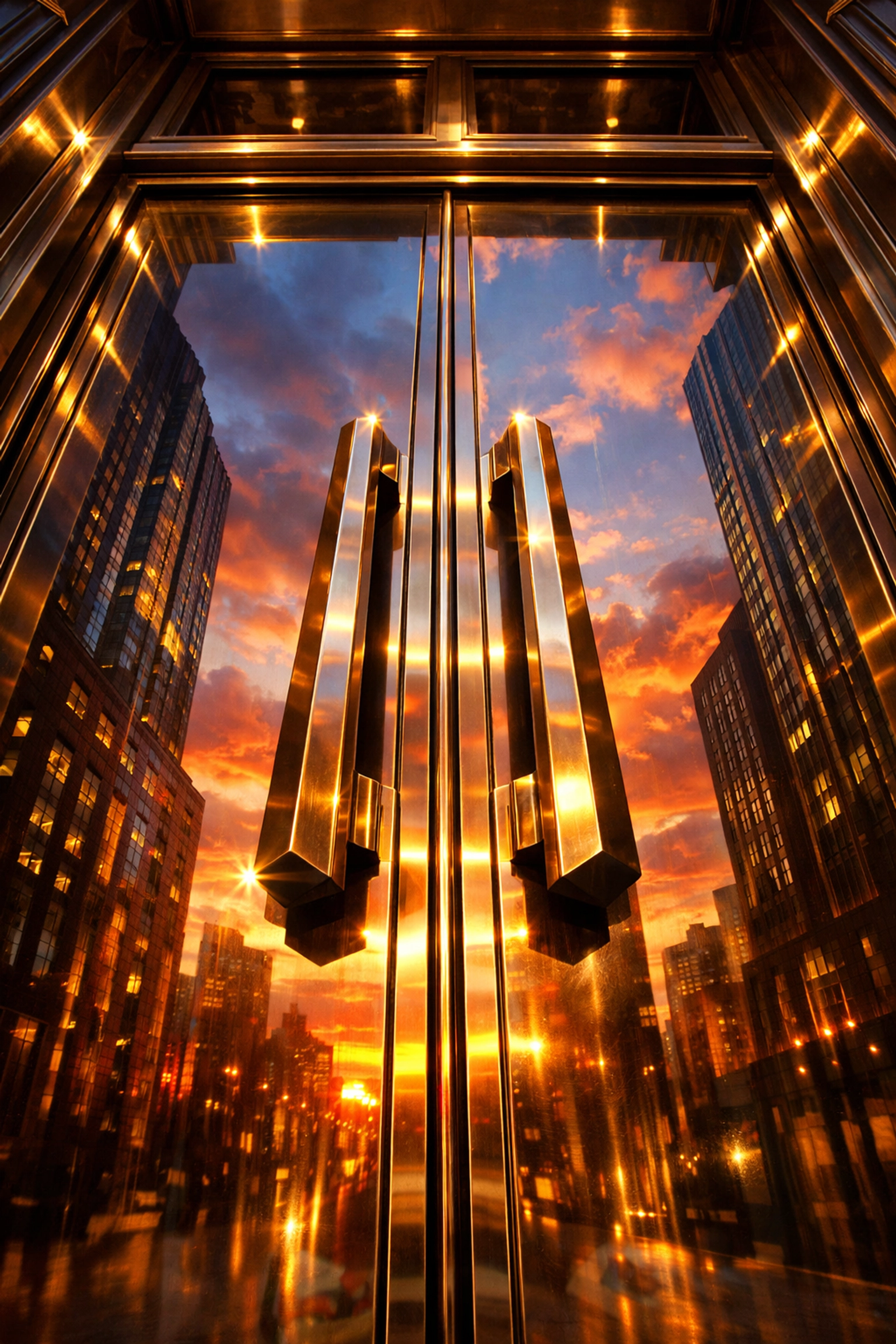
Metal is often the first thing a visitor touches. The cold, solid feel of a polished stainless steel handle or the warm glow of well-maintained bronze communicates a message of stability and luxury. This is why entrance door cleaning and restoration is the highest ROI maintenance task you can perform. It is a high-touch, high-visibility area that sets the tone for the entire tenant experience.

THE MAINTENANCE LOOP: PREVENTING THE CLIFF
The goal of restoration at scale isn't just to fix what is broken: it's to prevent things from breaking in the first place. Once a surface is restored, it enters a "maintenance loop."
Regular, professional cleaning and the reapplication of protective waxes or clear coats prevent the metal from reaching the "point of no return." This is where the real savings happen. Maintenance is a fraction of the cost of restoration, which is a fraction of the cost of replacement. By staying at the top of this hierarchy, you maximize the lifespan of your building's architectural assets indefinitely.
We’ve seen it time and again: property managers who wait until the metal is severely degraded end up spending three times more on a "rescue" job than they would have on a multi-year maintenance contract.
CONCLUSION: THE ASPEN ADVANTAGE
Scaling metal restoration across a portfolio doesn't have to be a logistical nightmare. By focusing on sustainability, leveraging a la carte pricing, and insisting on a low-disruption workflow, you can transform your properties while staying within budget.
It’s not just about shiny metal: it’s about asset preservation. It’s about making sure the first impression your building makes is the right one: every single time.
If you’re ready to look at your portfolio’s metal through a new lens, we’re here to help. Whether you’re dealing with oxidized aluminum window frames or dull bronze elevators, Aspen Metal Services provides the expertise and the scale to handle it without the headache.
Ready to see where your buildings stand? Take our Is It Time to Restore? Quiz or browse our latest articles for more industry insights.