

Blog
The Low-Disruption Plan: How to Restore Your Building Without Scaring Away Tenants

Here's the hard truth about building restoration: your tenants don't care about your maintenance schedule. They care about accessing their offices, serving their customers, and running their businesses without tripping over equipment or navigating construction zones.
And when restoration projects disrupt those priorities? You'll hear about it in lease renewal conversations, or worse, in vacancy notices.
The good news: metal restoration doesn't have to be a tenant nightmare. With the right planning, you can restore elevators, entrance doors, railings, and fixtures while keeping your building fully operational. Here's how.
WHY TRADITIONAL RESTORATION CREATES TENANT PANIC
Most building restoration projects fail the disruption test before they even begin.
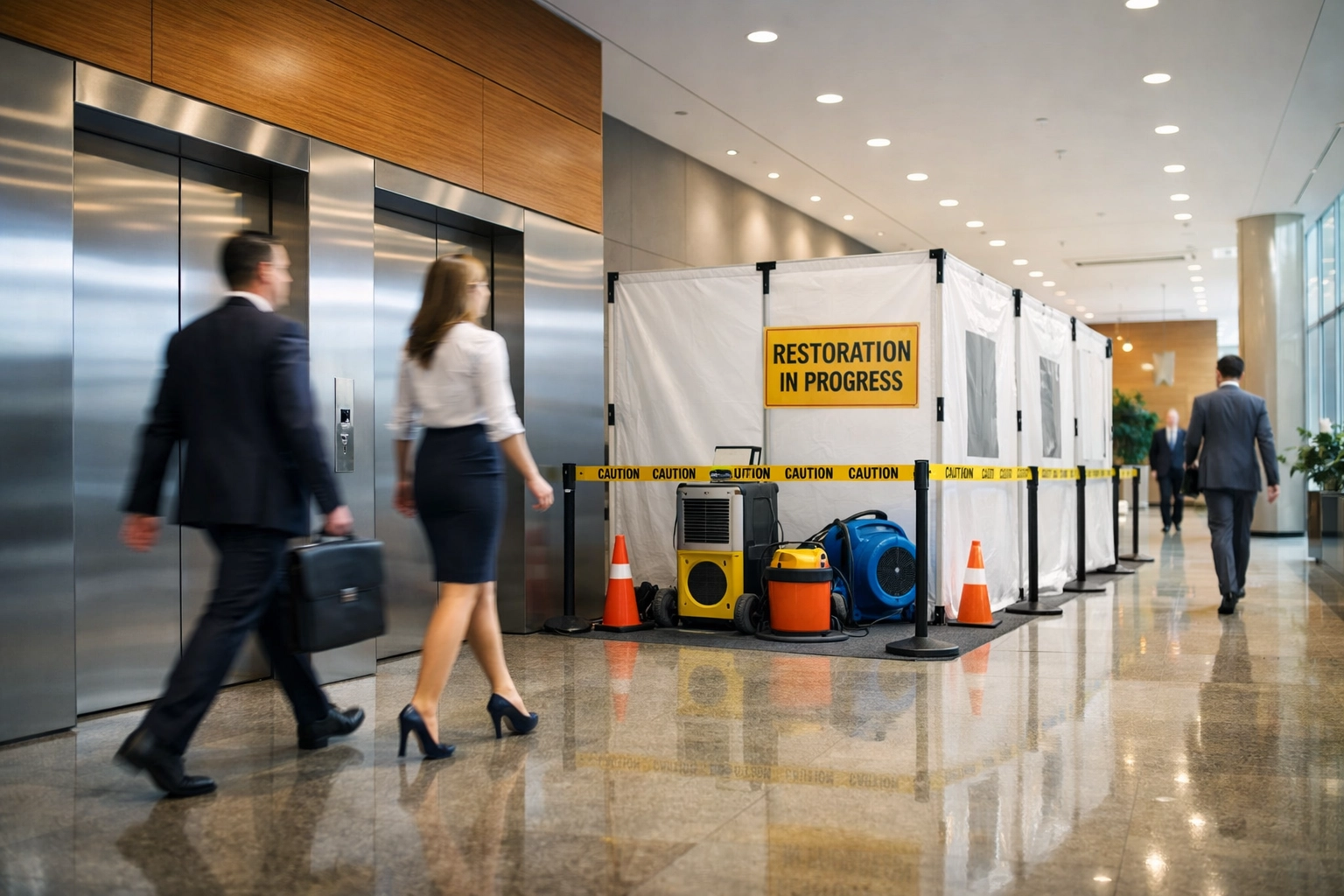
The typical approach looks like this: contractors descend on your building with equipment stacked in hallways, plastic sheeting blocking entrances, and work schedules that conflict with peak business hours. Tenants suddenly can't use their main entrance. Elevator access becomes limited. The lobby transforms into a construction zone.
Think about it from your tenant's perspective: they're paying premium rent for professional space, and now their clients are navigating obstacle courses to reach their office.
That's not a maintenance project. That's a retention risk.
The problem isn't the restoration work itself, it's the execution strategy. When you approach metal restoration as a building-wide disruption rather than a targeted intervention, you create exactly the chaos tenants fear.
THE PHASED APPROACH: RESTORE WITHOUT SHUTTING DOWN
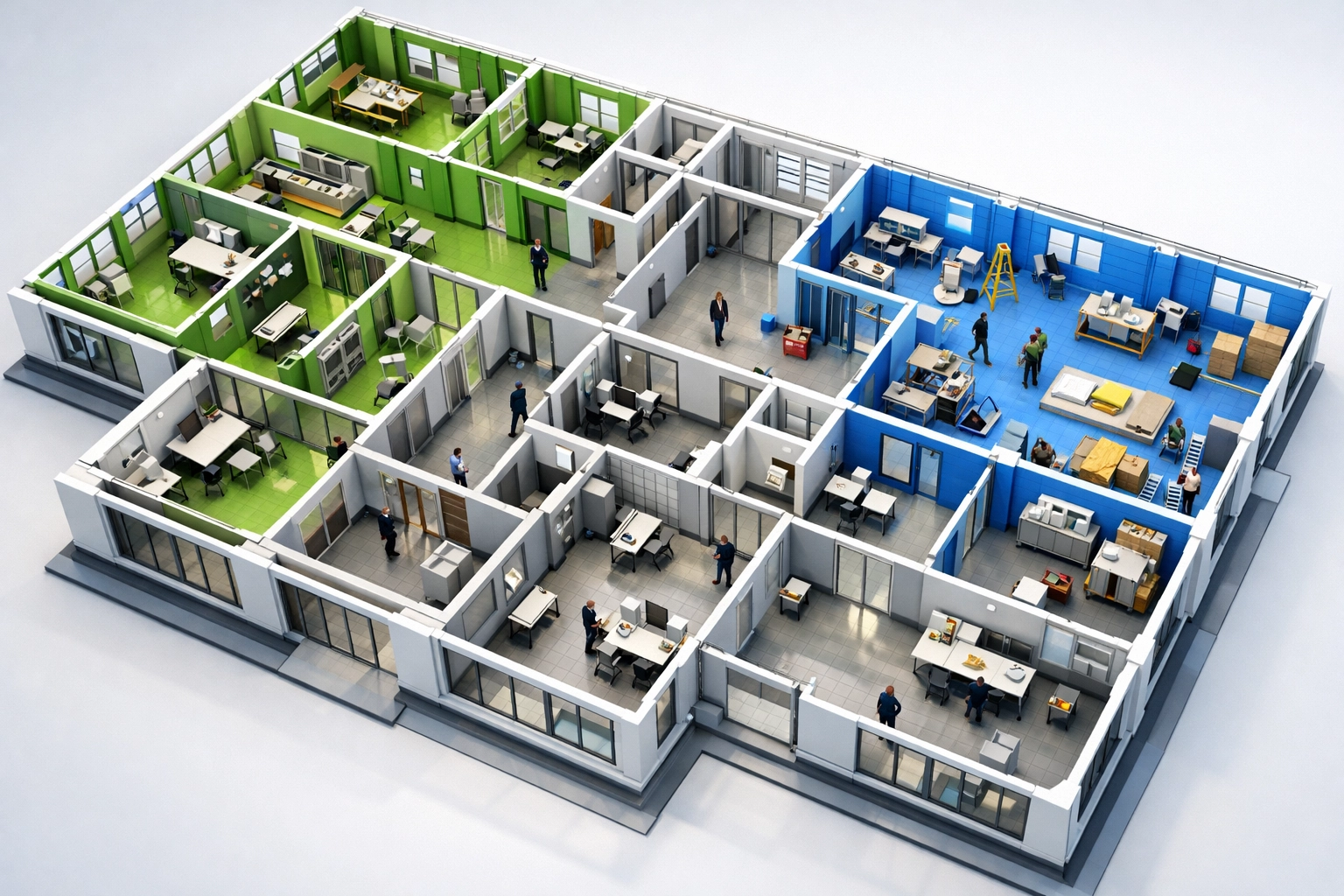
The foundation of low-disruption restoration is strategic phasing. Instead of tackling everything at once, you isolate work to specific areas while keeping the rest of your building fully operational.
Here's what this looks like in practice:
Zone-Based Scheduling
Divide your building into operational zones. Restore the east wing elevators while west wing elevators remain in service. Complete entrance door restoration on alternating sides. Address common area railings in sections rather than all at once.
This approach ensures tenants always have access to functional alternatives. No one's trapped. No one's stranded. Business continues.
Time-Based Isolation
Schedule intensive work during off-peak hours. Early morning entrance door cleaning happens before tenant arrival. Elevator restoration targets low-traffic periods. Stairwell railing work occurs when most people use elevators.
Progressive Completion
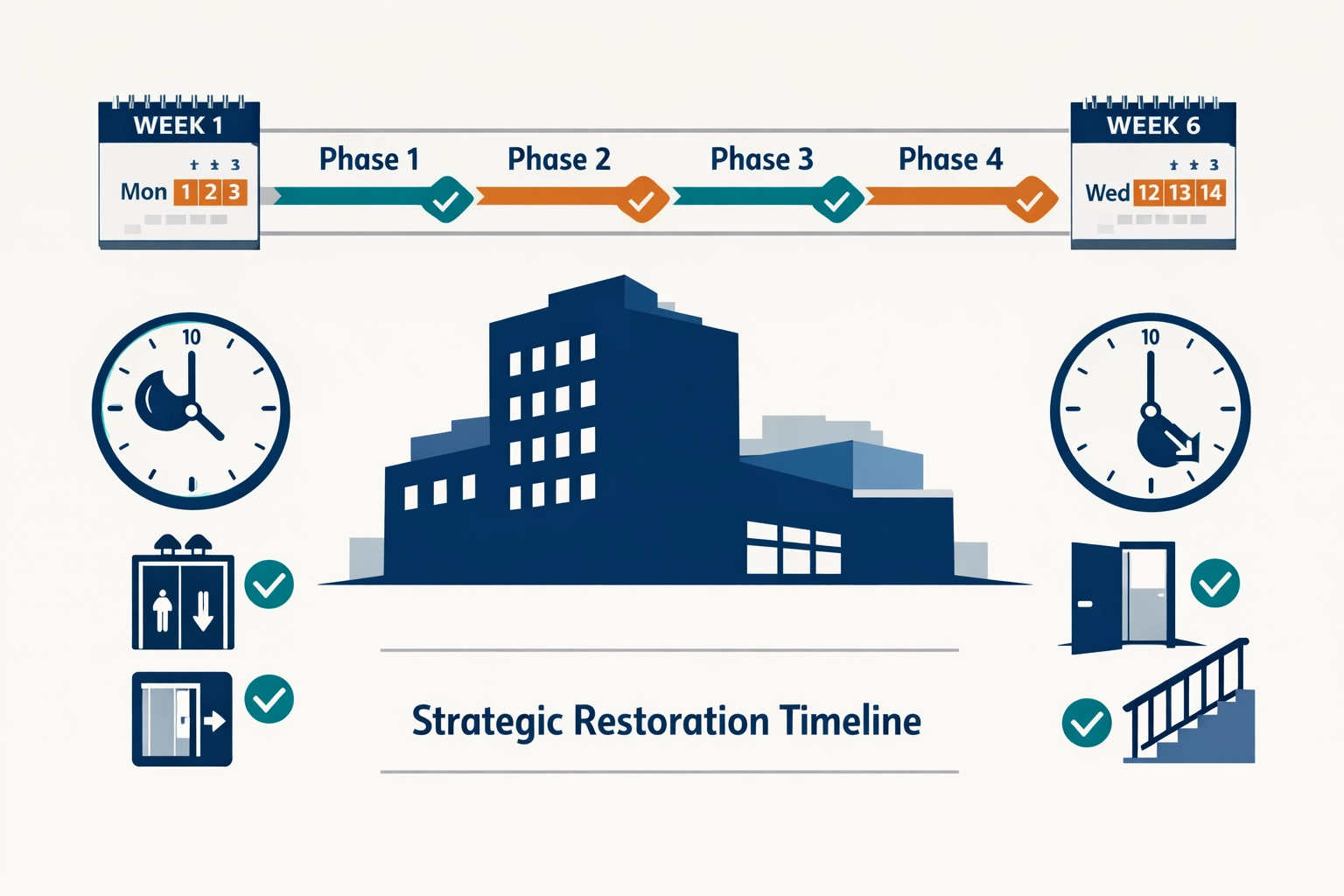
Complete each phase fully before moving to the next. This prevents the "perpetual construction zone" feeling that drives tenants crazy. When a section is done, it's done, fully restored and returned to normal operation.
The phased approach transforms a three-week disruption into manageable two-day intervals that barely register on tenant radar.
TECHNIQUES THAT MINIMIZE FOOTPRINT
Beyond scheduling strategy, the actual restoration methods matter enormously.
Low-Pressure, High-Precision Cleaning
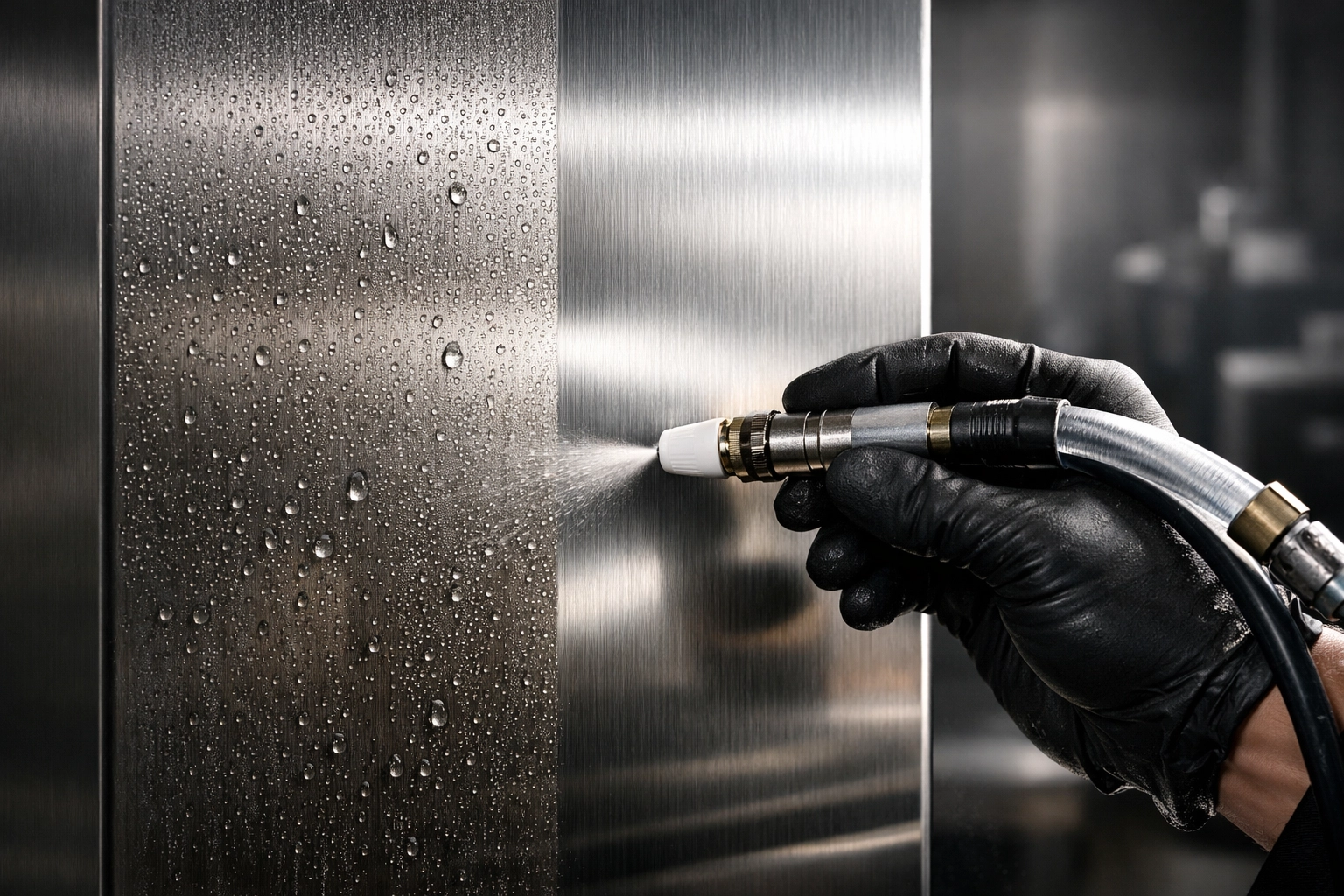
Modern metal restoration doesn't require aggressive equipment that creates splashing, overspray, or safety hazards. Low-pressure washing combined with specialized cleaning solutions removes corrosion, grime, and oxidation without damaging surrounding surfaces or creating mess.
For elevator interiors and entrance doors, this means cleaning that happens efficiently without soaking floors or requiring extensive protection setup.
Contained Work Areas
Professional restoration teams use modular containment systems that isolate work zones without consuming your entire lobby. Strategic placement of barriers keeps restoration activity contained while maintaining clear pathways for tenant traffic.
The key difference: equipment stays within the work zone rather than sprawling across common areas.
On-Site vs. Off-Site Restoration
Some metal components, particularly decorative fixtures or removable panels, can be restored off-site. This eliminates in-building disruption entirely while achieving superior results in controlled environments.
Entrance door hardware, elevator cab panels, and decorative railings often qualify for off-site restoration. Tenants experience zero disruption while the work happens elsewhere.
THE COMMUNICATION STRATEGY TENANTS ACTUALLY APPRECIATE
Even perfectly executed restoration creates some awareness. The difference between tenant frustration and tenant appreciation often comes down to communication strategy.
Advance Notice With Specifics
Generic "maintenance scheduled" notices don't cut it. Tenants need specifics: which areas, which days, which hours, and most importantly, how it affects their access.
Effective notice includes:
- Exact work locations
- Precise timeframes (not vague ranges)
- Alternative access routes
- Expected noise levels
- Contact information for concerns
Progressive Updates
Don't just announce the start, update tenants as phases complete. "East wing elevator restoration completed ahead of schedule" builds confidence. It shows you're on top of the project and respecting their time.
Visible Project Management
When restoration work is happening, clear signage demonstrates professionalism. Well-marked alternative routes, "Excuse our improvement" signs, and visible project timelines reassure tenants that this is planned, temporary, and under control.
SCHEDULING AROUND CRITICAL BUSINESS PERIODS
Here's where many property managers get it wrong: they schedule restoration based on contractor availability rather than tenant impact.
Know Your Tenant Calendar
Retail tenants have holiday rushes. Professional offices have quarter-end closings. Medical facilities have patient schedules. Restaurants have dining peaks.
Scheduling elevator restoration during your restaurant tenant's dinner service or entrance door work during retail's Black Friday week demonstrates you're not paying attention to their business needs.
Build in Buffer Time
Don't schedule restoration with zero flexibility. When unexpected issues arise (and they always do), you need buffer time to adjust without extending disruption into tenant-critical periods.
Leverage Natural Slow Periods
Most buildings have predictable low-activity periods: summer vacations, holiday weeks, off-season months. Strategic restoration scheduling targets these windows when fewer tenants are affected.
THE TECHNOLOGY ADVANTAGE: FASTER, SMARTER RESTORATION
Modern restoration technology dramatically reduces disruption duration.
Diagnostic Tools
Thermal imaging and surface analysis identify exactly which areas need restoration, no exploratory work required. This precision prevents unnecessary disruption to functional areas while targeting actual problem zones.
Advanced Treatment Methods
Professional-grade metal restoration treatments work faster than traditional approaches. Specialized corrosion removal, protective coatings, and surface restoration happen in compressed timeframes compared to older methods.
Real-Time Monitoring
Digital project management allows property managers to track restoration progress remotely. You know exactly where teams are working, what's completed, and when areas return to full service, without constant site visits.
The result: projects that might have taken three weeks with traditional methods now complete in one week with modern approaches.
THE ROI OF LOW-DISRUPTION RESTORATION
Yes, thoughtful restoration planning requires more upfront effort. But the financial returns justify the investment.
Tenant Retention Value
Consider the cost of tenant turnover: vacancy periods, tenant improvement allowances, leasing commissions, and lost rent. A single retained tenant easily justifies the premium you might pay for low-disruption restoration approaches.
Reduced Complaint Management
Fewer disruptions mean fewer tenant complaints, less time spent managing concerns, and better relationships. That time savings translates to operational efficiency across your property management team.
Faster Project Completion
Efficient restoration methods complete faster, which means shorter duration of any disruption. Even a marginally disruptive project is better when it's done in one week instead of three.
Enhanced Building Reputation
Buildings known for professional, considerate restoration attract quality tenants. Your reputation for minimal disruption becomes a competitive advantage in tenant acquisition.
MAKING THE PLAN WORK
Low-disruption restoration isn't about avoiding maintenance: it's about strategic execution that respects tenant operations.
The difference between a project that drives tenants away and one that demonstrates your professionalism comes down to planning: phased approaches that isolate work, modern techniques that minimize footprint, communication that keeps everyone informed, and scheduling that works around tenant priorities.
When you approach metal restoration this way, you're not just maintaining your building. You're protecting your tenant relationships and preserving the value those relationships represent.
Because here's the reality: a perfectly restored elevator means nothing if the tenant who used it moved out during the project.
Your building deserves maintenance that enhances rather than disrupts. Your tenants deserve a property manager who understands that their business operations aren't negotiable. And your bottom line deserves the retention rates that come from thoughtful restoration planning.
The question isn't whether to restore your building's metal fixtures. It's whether you'll do it in a way that keeps your tenants happy: or gives them another reason to look at competing properties.