Blog
Anodized Aluminum Secrets Revealed: What Experts Don’t Want You to Know About Metal Cleaning and Polishing

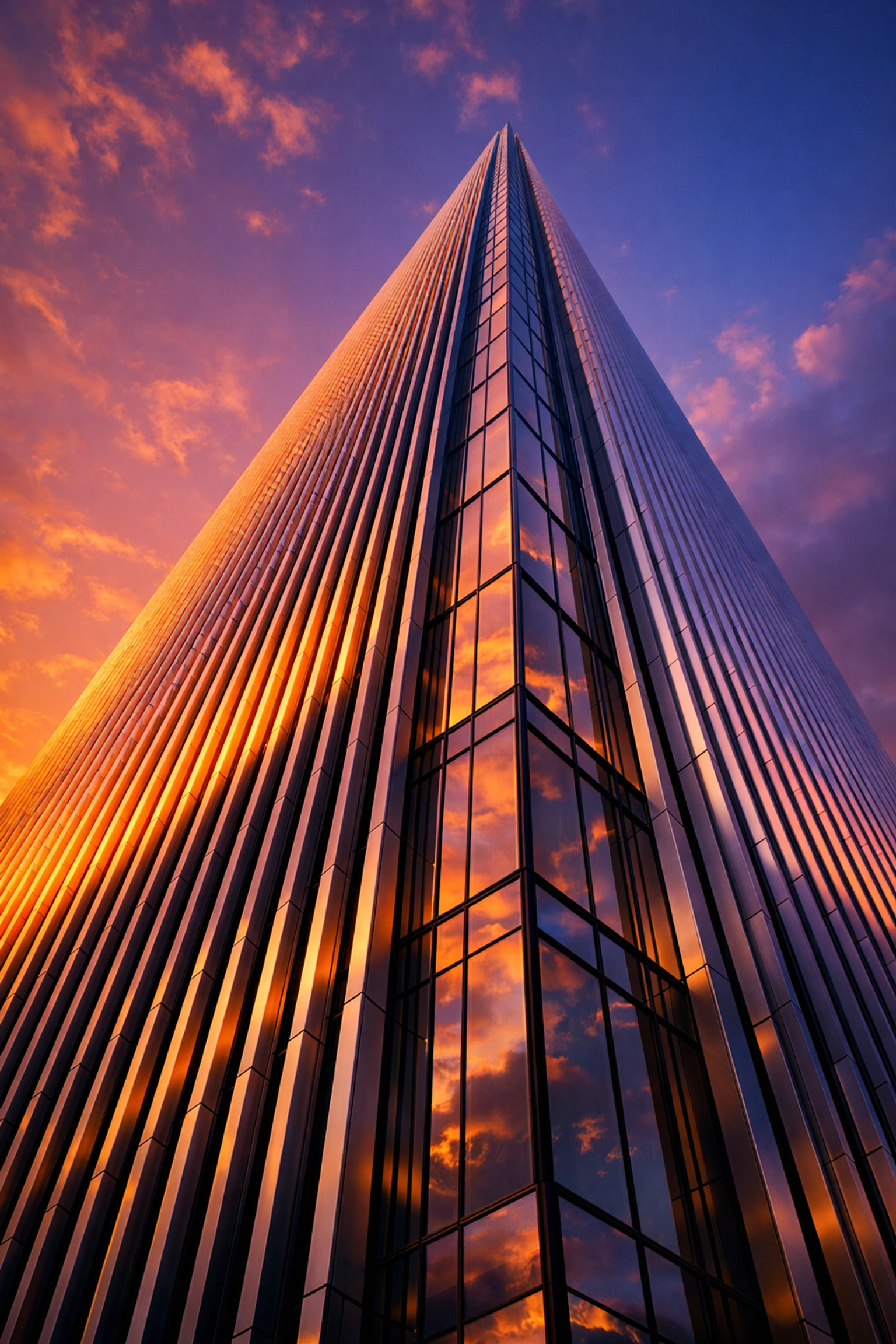
Your building’s exterior is more than just a shell: it is a handshake. It is the first thing a potential tenant, a high-value client, or a guest sees before they even step through the front doors. When that handshake is made of anodized aluminum, it projects a modern, sophisticated, and durable image.
But there is a hidden danger lurking in the standard maintenance routines of many commercial properties.
Most property managers believe that anodized aluminum is virtually indestructible. After all, it is designed to withstand the elements. However, we have seen firsthand how "standard" metal cleaning and polishing: the kind performed by general janitorial crews: can lead to irreversible damage in a matter of months.
Today, we are pulling back the curtain on what the industry experts often fail to mention. If you want to protect your investment and maintain that "day one" shine, you need to understand the science behind the surface.
THE MYTH OF THE "LOW-MAINTENANCE" METAL
Anodized aluminum is a marvel of modern engineering. Unlike paint or powder coating, which sits on top of the metal, the anodizing process involves an electrochemical reaction that converts the metal surface into a decorative, durable, corrosion-resistant, anodic oxide finish.
Because this layer is integrated with the underlying aluminum substrate, it cannot peel or flake. This leads many to believe it requires zero specialized care. That is a costly misconception.
Think about it: the very thing that makes anodized aluminum durable: its porous oxide layer: is also what makes it vulnerable to the wrong chemicals. While it is tough against the wind and rain, it is surprisingly sensitive to the pH levels of cleaning agents.
THE PH TRAP: WHY YOUR CLEANER MIGHT BE RUINING YOUR FINISH
Here is the secret most general cleaning companies won’t tell you: they use "all-purpose" cleaners that are either highly acidic or highly alkaline. For most surfaces, these are fine. For anodized aluminum, they are a death sentence.
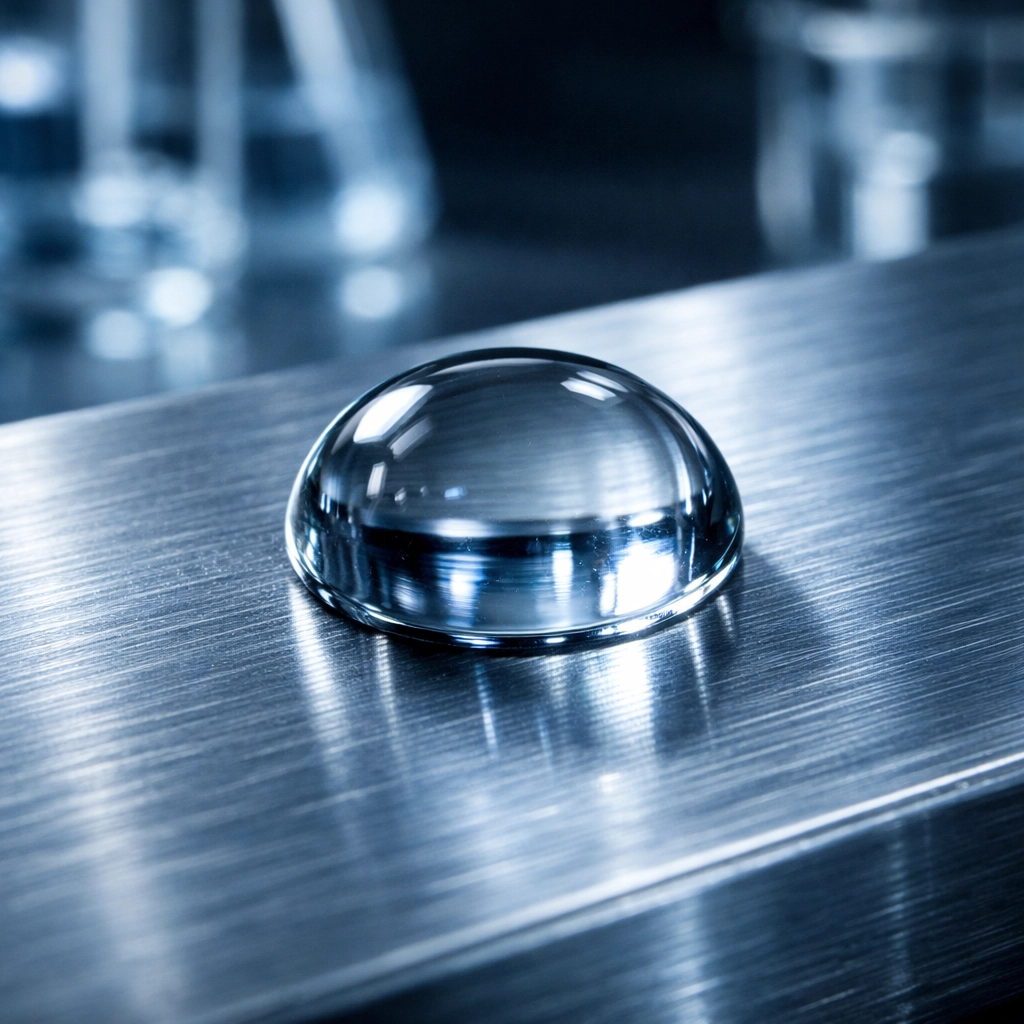
When a cleaning solution with a high pH (alkaline) or a low pH (acidic) is applied to anodized aluminum, it doesn't just sit on the surface. It begins to attack the oxide layer. This results in:
- Staining and Spotting: Permanent white or cloudy marks that cannot be wiped away.
- Pitting: Small holes that compromise the structural integrity of the metal.
- Chalking: A powdery residue that signals the breakdown of the protective seal.
At Aspen Metal Services, we know that true metal cleaning and polishing for anodized surfaces requires a neutral pH approach. We utilize specialized solutions that lift contaminants without triggering a chemical reaction with the aluminum itself.
THE HIDDEN STEPS OF PROFESSIONAL RESTORATION
Professional-grade maintenance isn't just about a bucket and a rag. It is a multi-stage process that mirrors the original manufacturing of the metal. To understand how to clean it, you must understand how it was made.
1. ALKALINE PRE-TREATMENT (DONE RIGHT)
During the manufacturing process, aluminum is cleaned in an alkaline detergent solution heated to approximately 145°F to remove oils. In a restoration context, we must emulate this precision. We don't just "wash" the metal; we remove accumulated atmospheric pollutants that have bonded to the surface.
2. THE RINSING CRITICALITY
Residual chemicals are the primary cause of long-term damage. Most crews spray and move on. We employ multiple rinses: often using de-ionized water: to ensure that every trace of cleaning agent is neutralized. If you leave even a microscopic film of cleaner on the surface, the sun’s UV rays will "bake" it into the metal, leading to permanent discoloration.
3. ADDRESSING THE "SMUT"
Certain aluminum alloys, especially those used in high-traffic areas like elevator cabs, can develop "smut": a collection of surface particles that standard polishing won't fix. This requires a desmutting process, using specific acidic solutions that are carefully monitored to ensure they only target the debris and not the aluminum. You can learn more about specialized interior care in our guide on elevator cleaning and tenant satisfaction.
WHY "D.I.Y." POLISHING IS A RISK
It is tempting to hand a can of metal polish to your on-site maintenance team. But here is where many get it wrong: many commercial polishes contain abrasives.
Anodized aluminum has a specific "mil thickness" (the thickness of the oxide layer). If you use a heavy abrasive polish, you are literally sanding away the protection of your building. Once that layer is gone, the raw aluminum is exposed to the air, leading to rapid oxidation and a dull, grey appearance that no amount of scrubbing will fix.
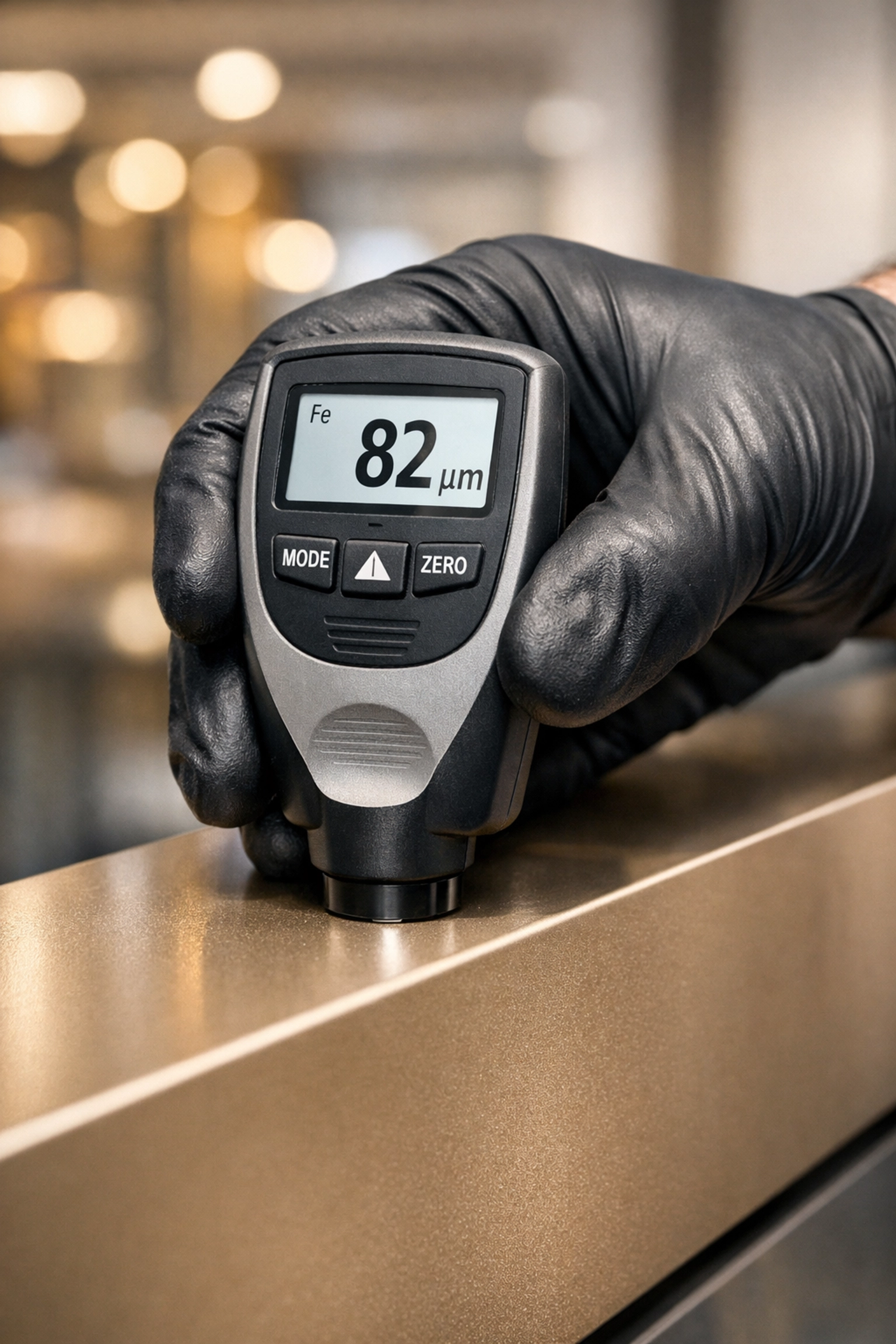
THE ASPEN ADVANTAGE: STATE-OF-THE-ART TECHNOLOGY
At Aspen Metal Services, we don't guess: we measure. We position ourselves as the experts because we invest in the technology that generalists ignore. Our approach to metal cleaning and polishing involves:
- Surface Testing: We identify the specific type of finish and its current state of degradation before a single drop of cleaner is applied.
- Advanced Sealants: After cleaning, we apply high-performance, hydrophobic sealants that fill the microscopic pores of the anodized layer, repelling water, fingerprints, and pollutants.
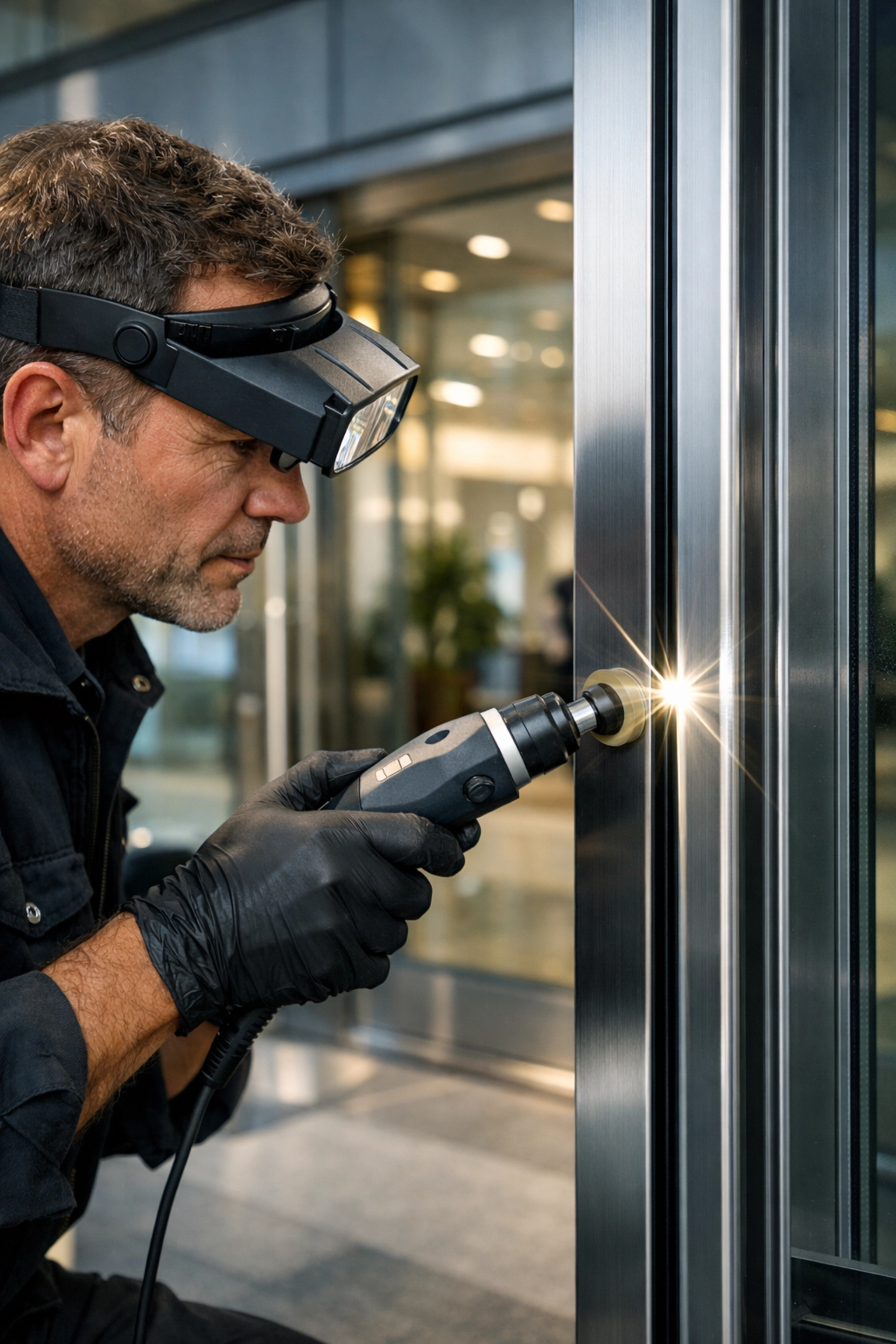
- Micro-Abrasive Cleaning: When restoration is required, we use specialized pads that are harder than the contaminants but softer than the anodic layer, ensuring we remove the "bad" without hurting the "good."
If you’re unsure if your building is already suffering from improper care, check out our list of 7 common metal maintenance mistakes to see if any of these red flags look familiar.
THE ROI OF SPECIALIZED METAL MAINTENANCE
For a property manager, this isn't just about aesthetics; it's about the bottom line. Replacing an entire anodized aluminum curtain wall or a set of custom entrance doors can cost hundreds of thousands of dollars. Restoration and proper maintenance cost a fraction of that.
Furthermore, the "look" of your metal fixtures directly impacts your building's perceived value. Dull, stained aluminum suggests a building that is aging and poorly managed. Shining, well-maintained metal suggests a premium, high-care environment. This perception is critical for first impressions during the holidays and throughout the year.
QUESTIONS YOU SHOULD ASK YOUR CURRENT SERVICE PROVIDER
If you are currently paying for metal maintenance, ask your provider these three questions:
- "What is the pH level of the cleaner you use on our exterior aluminum?" (If they don't know, they shouldn't be touching it.)
- "Are your polishing pads abrasive or non-abrasive?"
- "Do you apply a protective seal after the cleaning process is complete?"
If the answers are vague, your "maintenance" might actually be "damage."
PROTECT YOUR ARCHITECTURAL LEGACY
Anodized aluminum is designed to last a lifetime, but only if it is treated with the respect its chemistry demands. The "secrets" of the trade aren't really secrets: they are simply the difference between a generalist who cleans and an expert who restores.
At Aspen Metal Services, we provide the precision and state-of-the-art care required to keep your property looking its best. Don't wait until the staining is permanent. It’s not just about a clean building: it’s about a protected asset.
Is it time to restore your building’s metal?
Don't leave your building's image to chance. Contact Aspen Metal Services today to schedule a professional assessment of your anodized aluminum and experience the difference that expert metal cleaning and polishing can make.
For more tips on keeping your property in top shape, visit our full blog or take our restoration quiz to see where your building stands.