Blog
7 Mistakes You’re Making with Metal Cleaning (and How to Fix Them)

You're cleaning your building's metal surfaces regularly. You've got products, tools, and a maintenance schedule. So why do your elevator doors still look streaky? Why are those entrance rails starting to corrode?
Here's the reality: most metal cleaning damage doesn't come from neglect, it comes from doing it wrong.
We've seen it firsthand across hundreds of commercial properties. Well-intentioned maintenance teams unknowingly accelerate deterioration, rack up replacement costs, and create the exact problems they're trying to prevent. The frustrating part? These mistakes are completely avoidable once you know what to look for.
Let's break down the seven most common metal cleaning errors, and more importantly, how to fix them before they cost you.
MISTAKE #1: PLAYING GUESSING GAMES WITH DILUTION RATIOS
Think your cleaning crew is mixing products correctly? Think again.
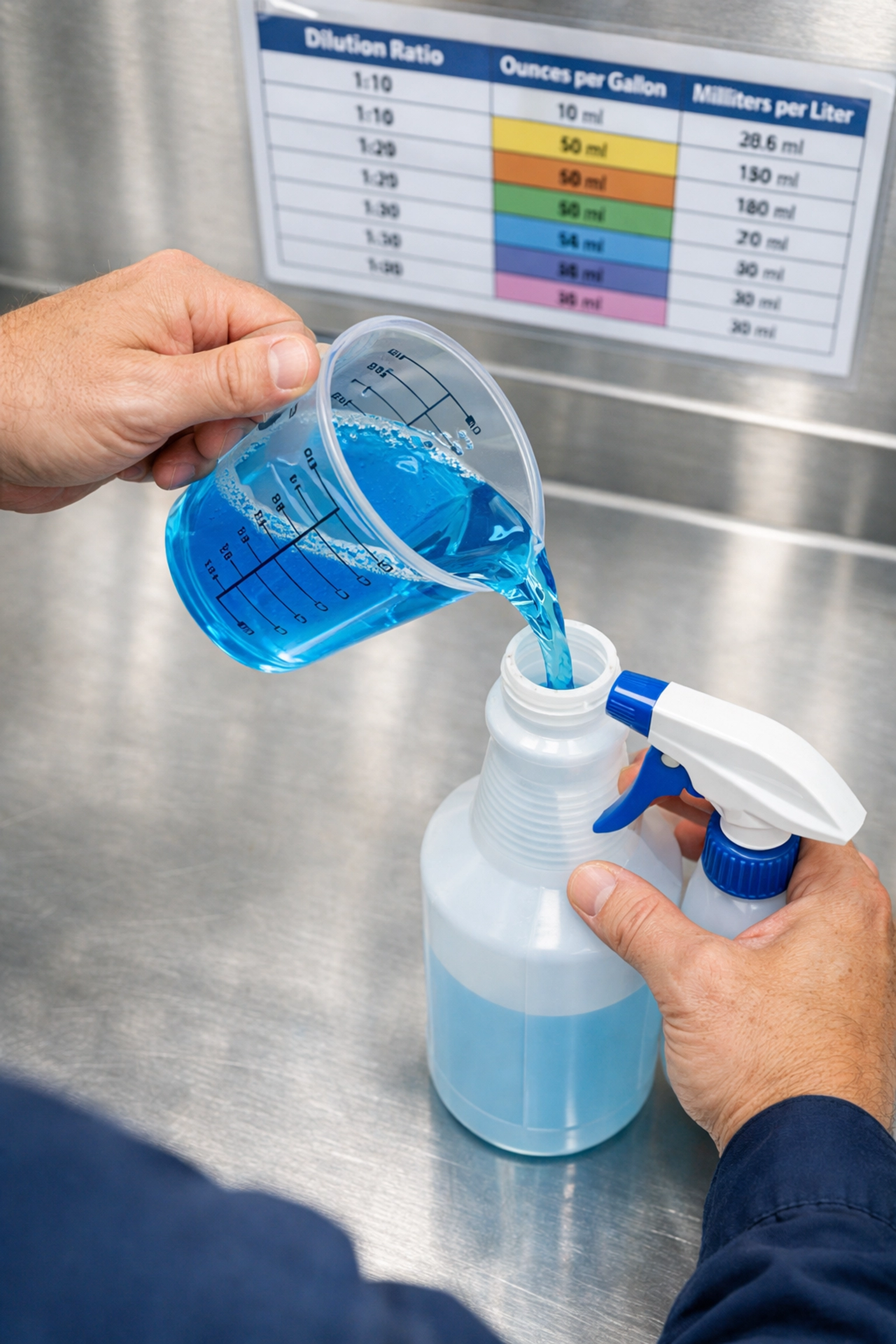
Over-diluting cleaning solutions turns them into expensive water that can't cut through grime. Under-diluting leaves chemical residues that eat away at metal surfaces, causing streaks, discoloration, and accelerated corrosion. We've walked into buildings where maintenance staff were eyeballing measurements, changing ratios based on "feel," or using whatever container was handy.
The Fix: Stop guessing. Use calibrated measuring devices, every single time. Create a simple dilution guide that lives in your supply closet with exact measurements for each product. Train your team on proper measurement techniques and spot-check their work periodically. This isn't about micromanaging: it's about protecting your investment in your building's metal fixtures.
MISTAKE #2: USING PRODUCTS THAT LITERALLY DESTROY METAL
Here's where many property managers unknowingly shoot themselves in the foot: using harsh cleansers that promise powerful results but deliver permanent damage.
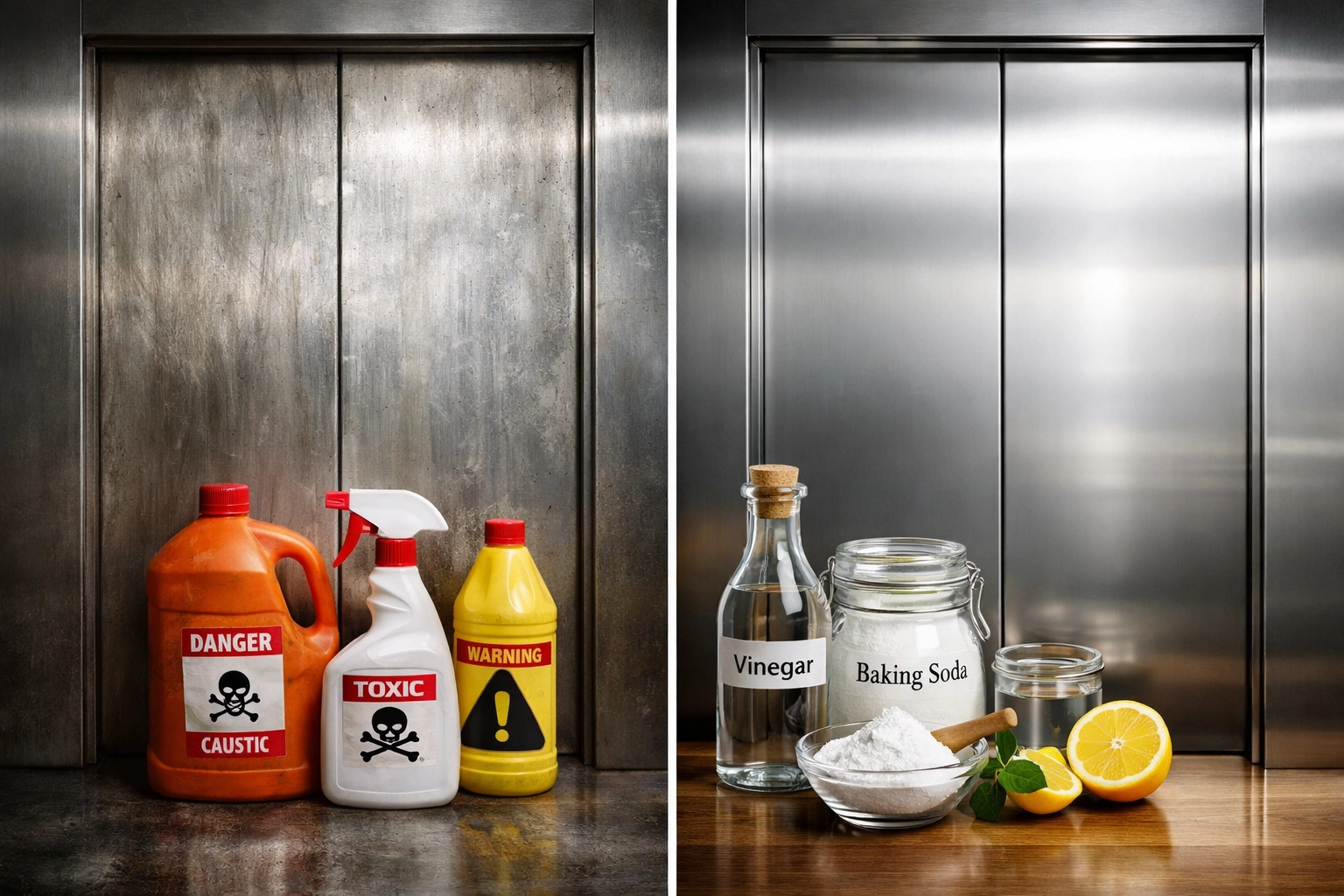
Products containing bleach, chlorine, ammonia, or scouring powders might make you feel like you're deep-cleaning, but they're actually dulling and tarnishing your metal surfaces with every application. That elevator cab that looks perpetually dingy? The entrance doors that never quite shine? Often, it's not dirt, it's damage from aggressive cleaning products.
The Fix: Read your labels like your metal surfaces depend on it, because they do. Switch to gentler alternatives like baking soda, vinegar-based solutions, or specialized metal cleaners that don't contain bleach or chlorine. Yes, they might require slightly more elbow grease initially, but they preserve your surfaces instead of destroying them. Your metal fixtures will last years longer, and they'll actually look cleaner.
MISTAKE #3: SCRUBBING WITH TOOLS THAT CREATE MORE PROBLEMS
Coarse steel wool. Abrasive scouring pads. Rough brushes that "really get in there." These tools feel productive, you can hear them working. But what you're hearing is the sound of scratches forming and protective finishes being stripped away.
Every scratch becomes a vulnerability point where moisture can penetrate and corrosion can start. On stainless steel, these micro-scratches actually make the surface more prone to rust and staining, the exact opposite of what you're trying to achieve.
The Fix: Replace harsh tools with soft, lint-free microfiber cloths. If you absolutely need steel wool for a stubborn spot, use only fine-grade steel wool with gentle pressure. Let your cleaning solution do the work instead of relying on abrasive force. Your metal surfaces are more delicate than they look, treat them accordingly.
MISTAKE #4: IGNORING THE GRAIN (YES, METAL HAS A GRAIN)
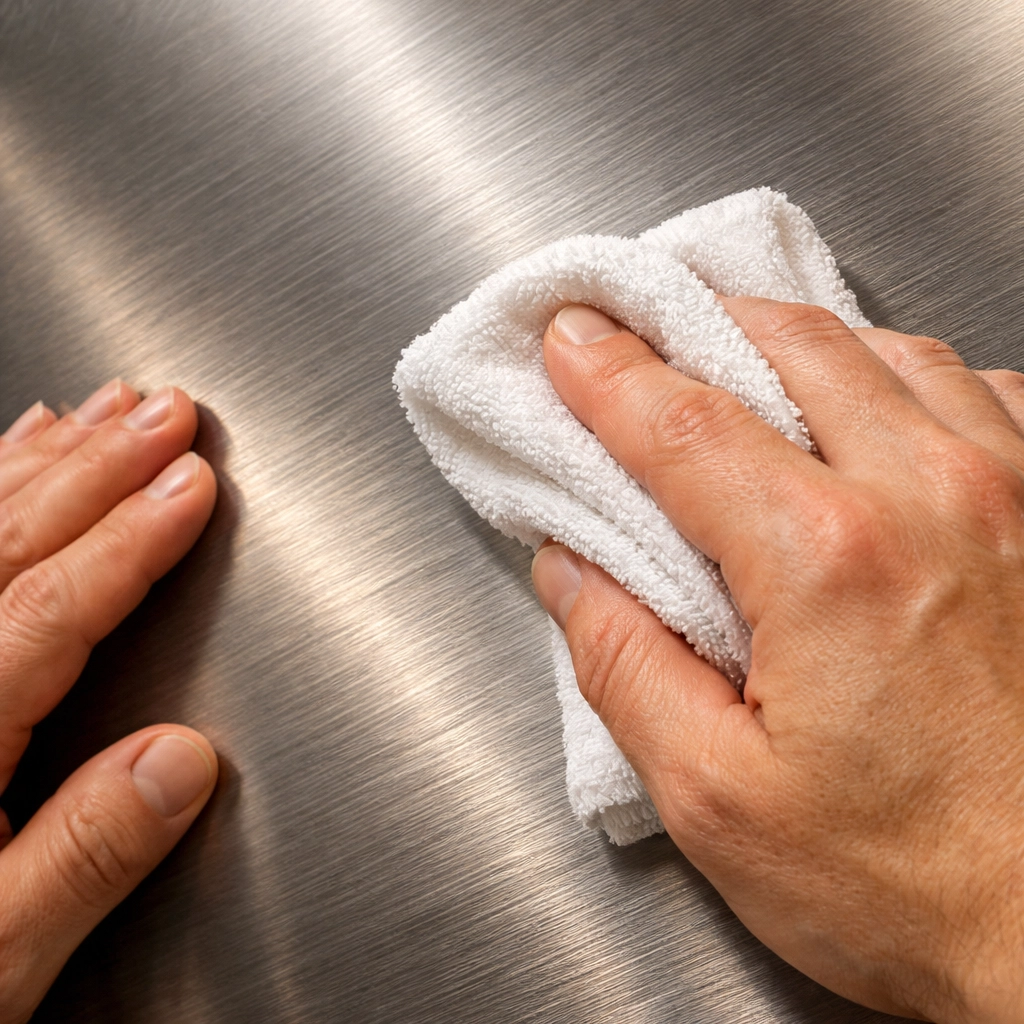
Most people don't realize that metal surfaces: especially stainless steel: have a directional grain similar to wood. Cleaning against or across that grain is like trying to sweep dirt uphill: ineffective and counterproductive.
When you clean without following the grain direction, dirt gets trapped in those microscopic grooves instead of being removed. Worse, abrasive tools moving across the grain create visible scratches that dull the finish and make the metal look perpetually dirty.
The Fix: Before cleaning any metal surface, pause and identify the grain direction. Then clean only in that direction with long, consistent strokes. This simple adjustment produces a noticeably shinier finish, removes debris more effectively, and prevents accidental scratching. It takes zero extra time: just awareness.
MISTAKE #5: LETTING SURFACES AIR DRY (THE WATER SPOT TRAP)
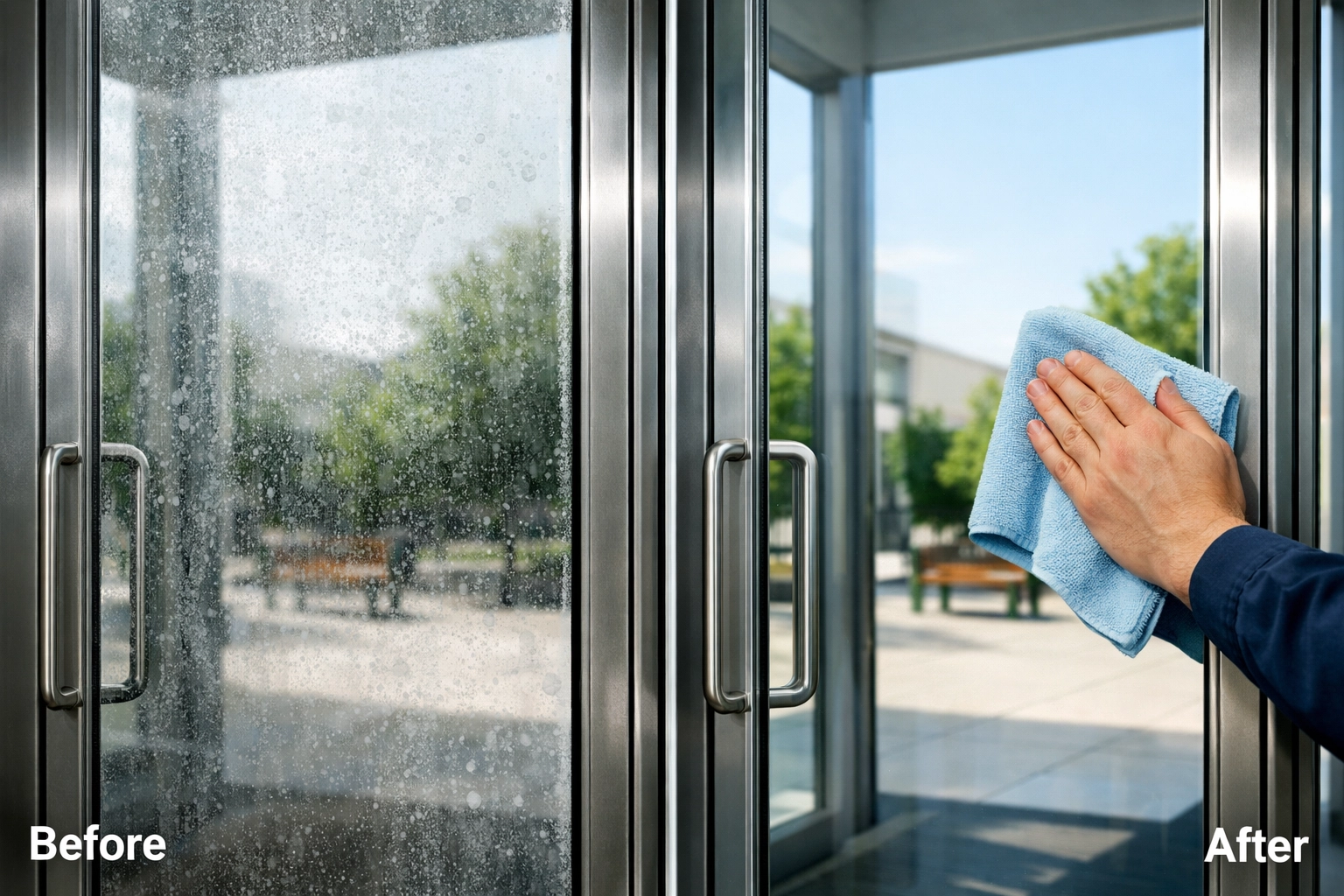
You've just cleaned your entrance doors. They look great: wet and gleaming. So you move on to the next task and let them air dry. Thirty minutes later, they're covered in white spots and mineral deposits.
Tap water contains minerals that become visible as the water evaporates, leaving behind permanent-looking stains that actually bond to the metal surface. These spots accumulate over time, creating a cloudy, tarnished appearance that's increasingly difficult to remove.
The Fix: Wipe down every cleaned metal surface immediately with a clean, dry cloth. No exceptions. Make this the non-negotiable final step in your cleaning process. For even better results, use distilled or filtered water for your final rinse before drying. This eliminates the mineral content entirely, preventing those frustrating spots from forming in the first place.
MISTAKE #6: TREATING CLEANING LIKE A ONE-TIME EVENT
Property managers often approach metal cleaning reactively: "It looks bad, so let's clean it." This infrequent, crisis-driven approach allows contaminants, oxidation, and grease to build up between cleanings, making each session harder and less effective.
Think about it: would you rather spend 10 minutes weekly maintaining your building's metal surfaces, or spend hours quarterly trying to reverse accumulated deterioration? The math here is simple, but surprisingly few properties get it right.
The Fix: Shift your mindset from reactive to preventive. Establish a regular cleaning schedule based on traffic patterns and exposure levels. High-touch surfaces like elevator buttons and door handles? Daily attention. Entrance doors and lobby fixtures? Weekly maintenance. Exterior metal? Monthly care. Regular, consistent cleaning takes less time per session and dramatically extends the life of your metal surfaces while keeping them looking professional.
MISTAKE #7: APPLYING TOO MUCH PRESSURE (HARDER ISN'T BETTER)
When a surface isn't coming clean, the instinct is to press harder, scrub faster, and really put some muscle into it. This approach generates heat, warps softer metals like aluminum and brass, creates uneven finishes, and can permanently damage protective coatings.
Excessive pressure doesn't clean better: it damages faster. We've seen brass fixtures discolored from friction heat and aluminum railings with visible warping from aggressive cleaning techniques.
The Fix: Use gentle, consistent pressure and let your cleaning products and tools do the work. If something isn't coming clean with reasonable pressure, the problem isn't your effort: it's likely your product choice, technique, or tool selection. Don't compensate for the wrong approach by adding force. Adjust your method instead.
THE BOTTOM LINE: SMALL CHANGES, BIG IMPACT
Here's what you need to understand: every cleaning session is either preserving your metal surfaces or degrading them. There's no neutral territory.
These seven mistakes represent thousands of dollars in unnecessary replacement costs, accelerated deterioration, and diminished building appearance. The good news? Fixing them requires no special equipment, no major budget increases, and no additional time: just better information and adjusted techniques.
Your building's metal surfaces: from entrance doors to elevator cabs to handrails: are significant investments. They shape first impressions, influence tenant satisfaction, and impact your property's overall value. Protecting that investment starts with cleaning them correctly.
Take a hard look at your current metal cleaning practices. Which of these mistakes are you making? Because the only thing more expensive than doing it right is continuing to do it wrong.
Need help establishing proper metal maintenance protocols or reversing damage from incorrect cleaning? That's exactly what we do at Aspen Metal Services. Let's talk about protecting your investment the right way.