Blog
Elevator Cleaning 101: The Updated Guide to First Impressions

You know that moment when someone steps into your building's elevator and immediately touches a smudged button panel? Or when they catch their reflection in a streaked mirror?
That's your building's reputation taking a hit.
Elevators aren't just transportation: they're one of the most touched, scrutinized, and judged spaces in any commercial property. Every tenant, visitor, and prospect spends time in there, looking around, forming opinions. And here's the reality: a dirty elevator tells people you don't care about details.
Let's fix that.
WHY ELEVATOR CLEANING IS NON-NEGOTIABLE
Think about it: elevators are the ultimate high-traffic zone. Hundreds of hands touch those buttons daily. People lean against walls. They track in dirt, spills, germs, and debris from outside.
This isn't just about appearances: it's about hygiene, safety, and tenant satisfaction.
A well-maintained elevator signals professionalism. It shows you run a tight operation. On the flip side, a grimy elevator? That creates doubt. Tenants start wondering what else you're neglecting. Prospects notice before they even reach the leasing office.
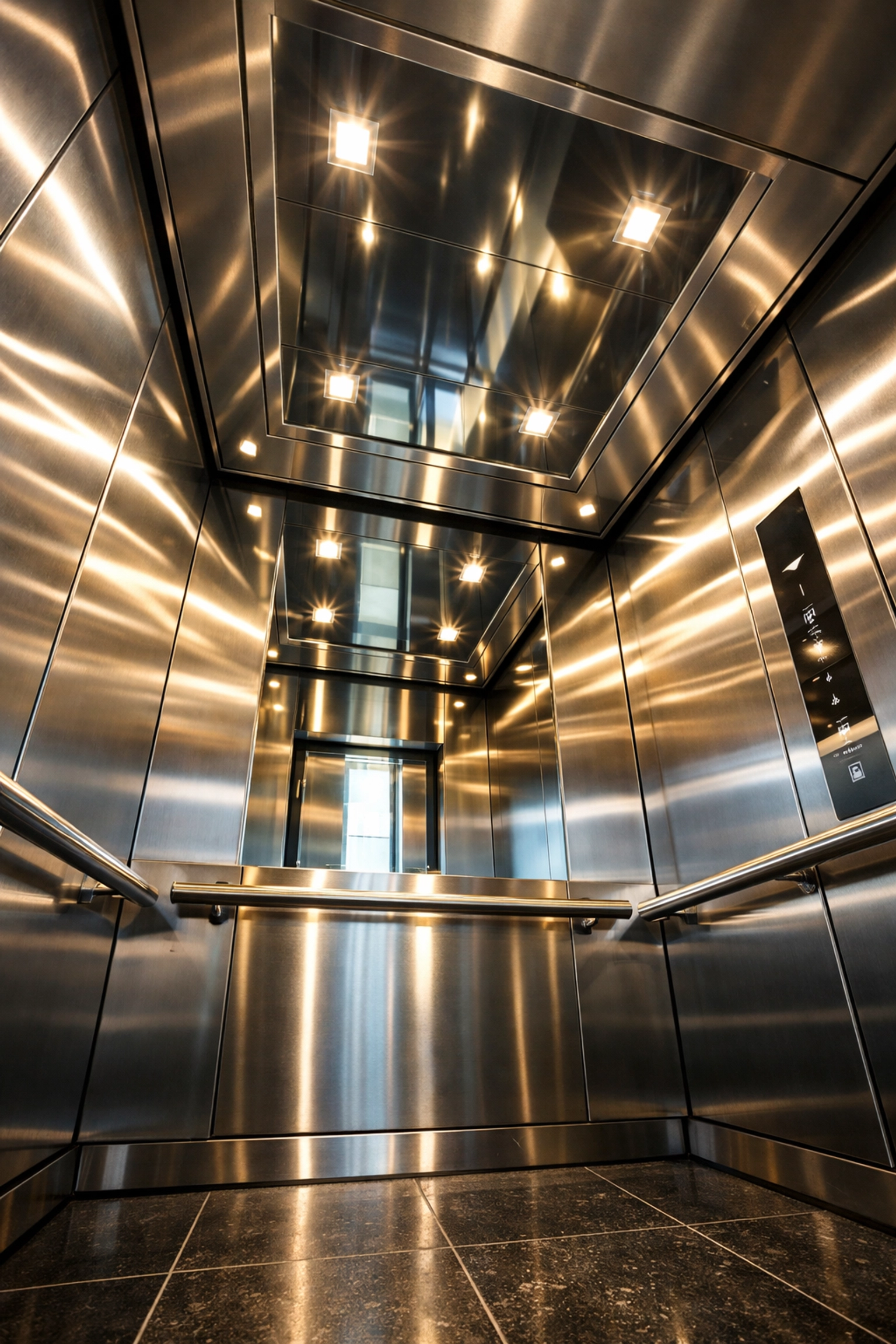
The business case is clear: clean elevators directly impact tenant retention and lease renewals. When people feel like their building is well-maintained, they're more likely to stay. When they don't? They start shopping around.
THE RIGHT TOOLS MAKE ALL THE DIFFERENCE
Here's where many property teams get it wrong: they use whatever cleaning products are lying around. Harsh chemicals. Abrasive sponges. Spray bottles aimed directly at control panels.
Stop. You're potentially damaging expensive components.
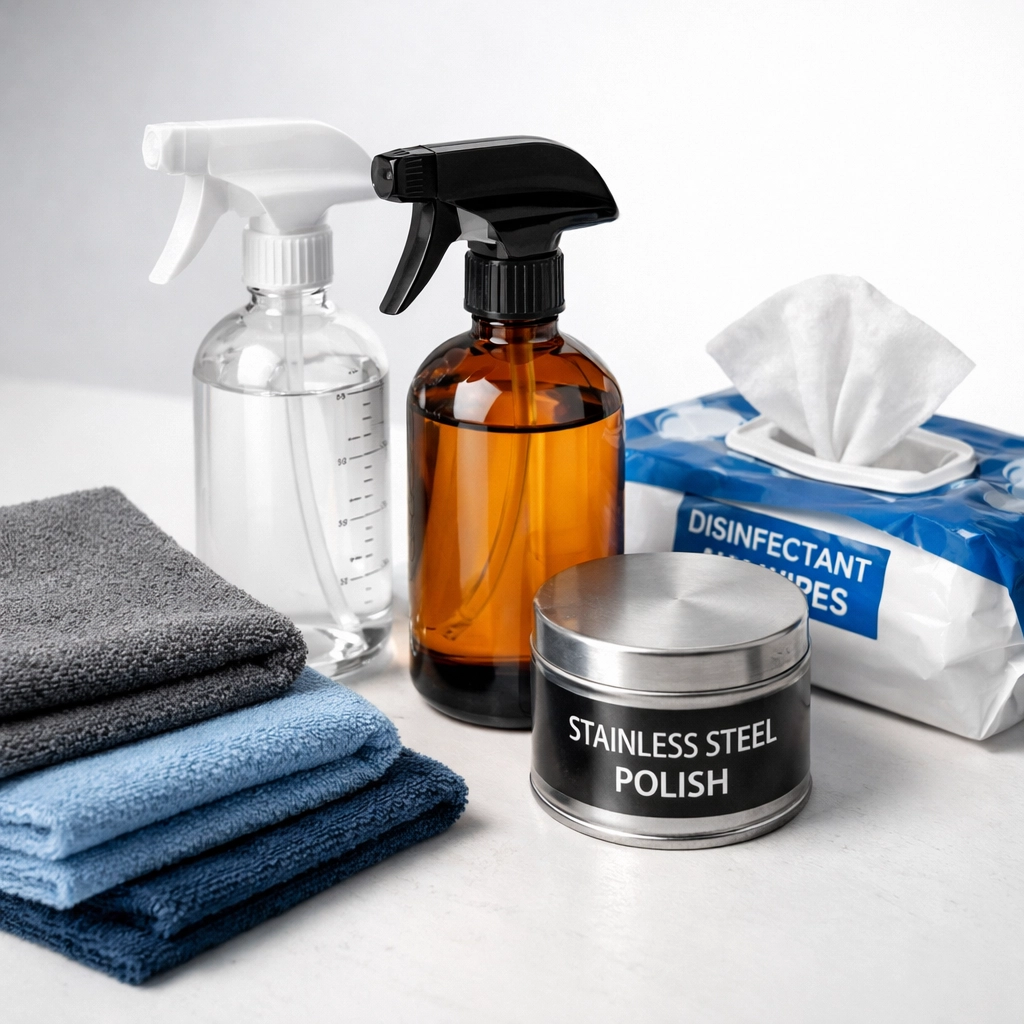
Your elevator cleaning kit should include:
- Microfiber cloths – These won't scratch stainless steel or glass surfaces
- pH-neutral cleaners – Safe for metal, glass, and laminate panels
- Disinfectant wipes – For high-touch areas like buttons and handrails
- Glass cleaner – Specifically for mirrors and display panels
- Stainless steel polish – Creates that professional, streak-free finish
What to avoid: bleach-based products (they damage polycarbonate fixtures), abrasive scrubbers, and alcohol-based cleaners on electronic components. These can make materials brittle or cause electrical issues over time.
THE TOP-TO-BOTTOM CLEANING PROCESS
Professional cleaners follow a systematic approach, and you should too. Working from top to bottom prevents you from re-dirtying areas you've already cleaned.
Start with the ceiling and lights. Dust accumulates on light fixtures and vents faster than you'd think. Use a microfiber cloth with pH-neutral cleaner to wipe down these areas first.
Move to the walls next. This is where your technique matters. For stainless steel surfaces, always wipe in the direction of the grain: not against it. This simple rule prevents streaking and maintains that polished look. Apply your cleaner or polish to the cloth (never directly to the surface), then wipe smoothly.
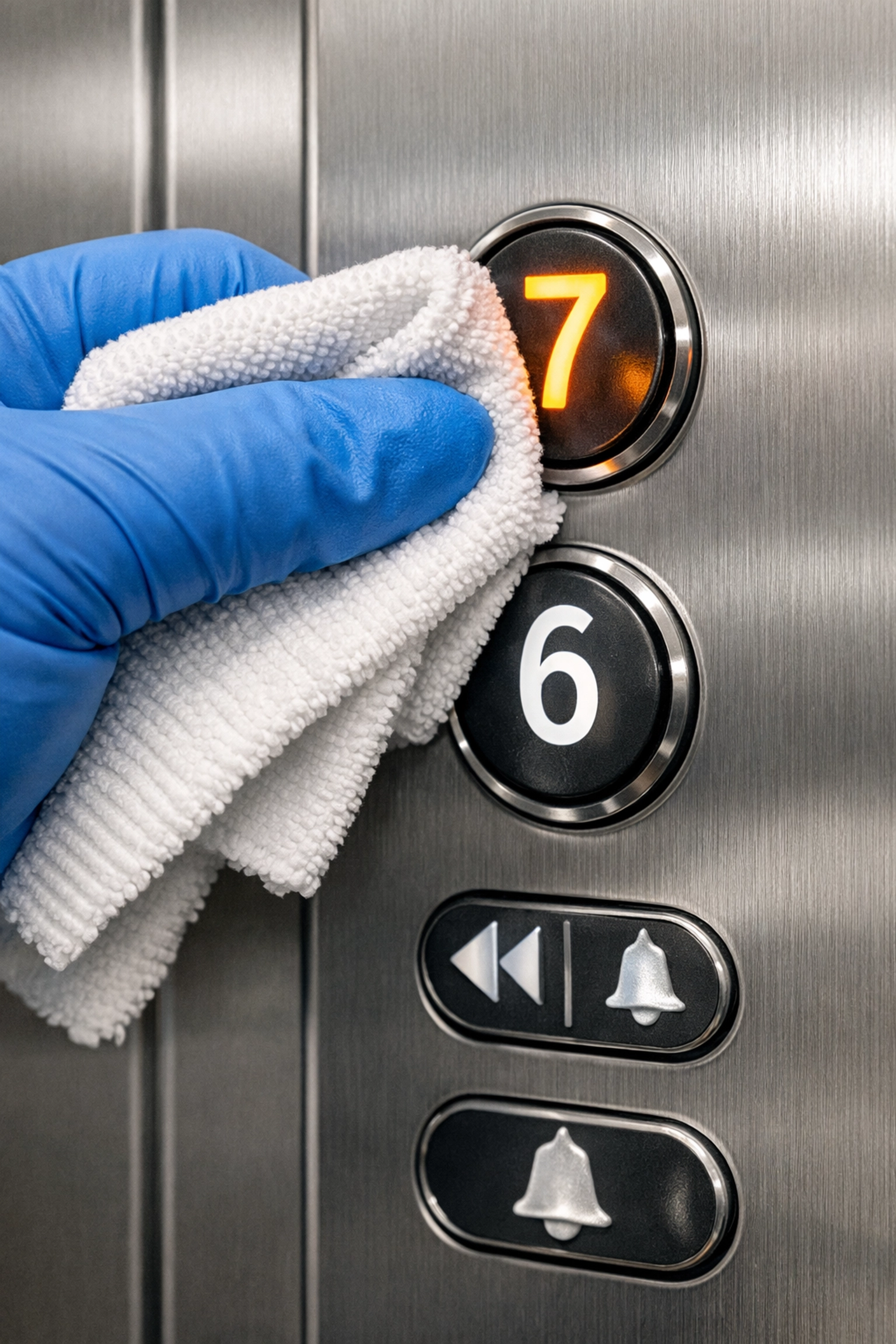
High-touch surfaces require special attention. Buttons, handrails, control panels: these are germ hotspots. Use disinfectant wipes here, but with a critical caveat: never spray solutions directly onto buttons. The liquid can seep into electrical components and cause malfunctions. Instead, spray your microfiber cloth first, then wipe carefully around controls.
Clean the doors and tracks. Door sills collect an astonishing amount of debris. Vacuum the tracks daily to remove dirt that can impair door operation. Use non-abrasive cleaners on the doors themselves. Keeping this area clean isn't just aesthetic: it prevents mechanical issues that lead to service calls.
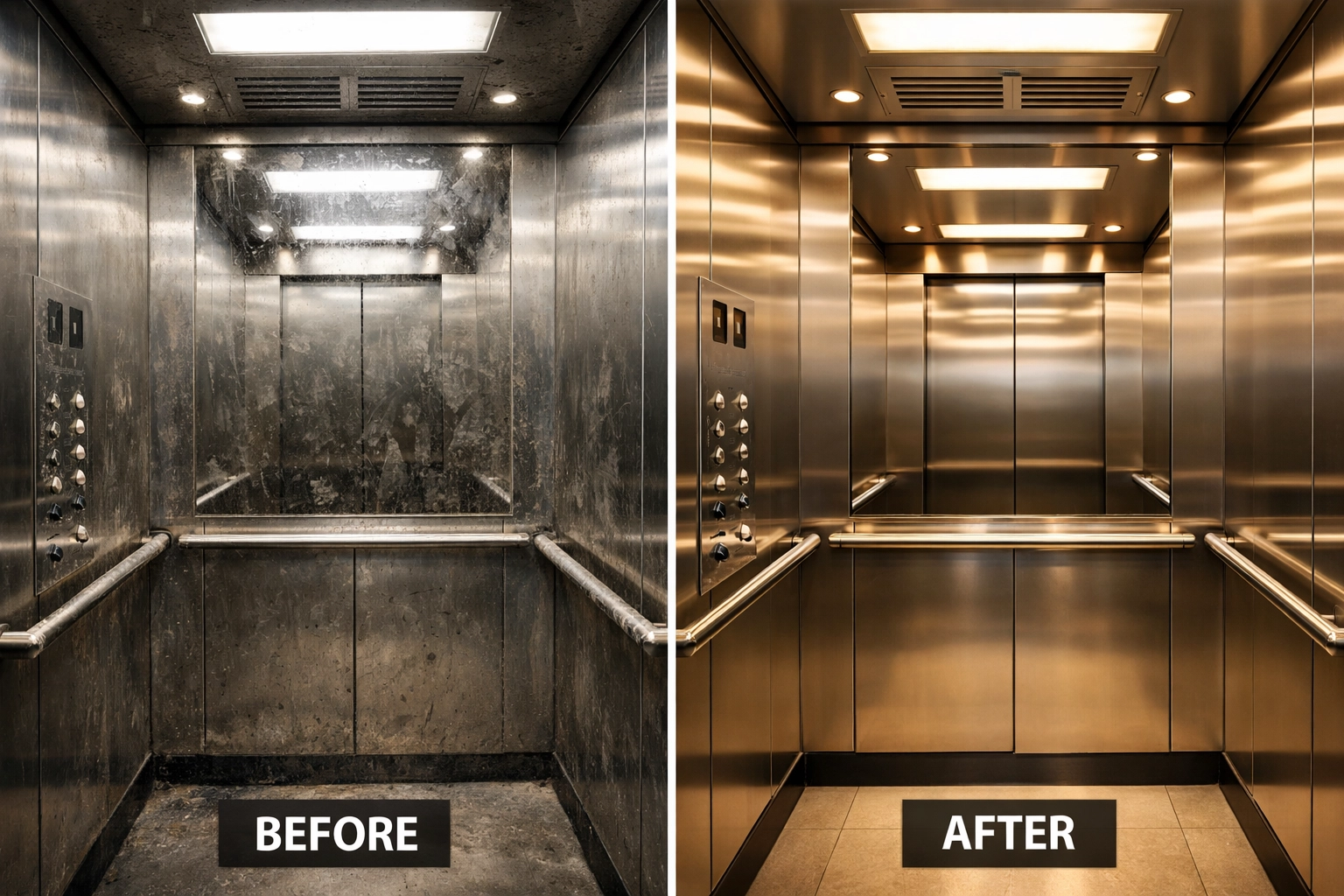
Finish with the floor. The type of flooring determines your approach. Carpeted floors need regular vacuuming to prevent dirt from embedding in fibers. For tile or polished surfaces, use a Swiffer-type mop with non-abrasive cleaners. Important: avoid polishing products that create slip hazards. Safety always comes first.
SCHEDULING: TIMING IS EVERYTHING
You can't just clean elevators whenever it's convenient. You need a strategy that maximizes thoroughness while minimizing disruption.
Daily tasks should include:
- Floor cleaning (sweep, vacuum, or mop)
- High-touch surface disinfection
- Quick spot-cleaning of smudges and fingerprints
Weekly deep cleans should cover:
- Full stainless steel polishing
- Mirror and glass panel detailing
- Wall cleaning from top to bottom
- Track and sill deep cleaning
Consider your building's rhythm. Clean during off-peak hours when possible: early mornings or evenings work best in most commercial properties. But don't skip cleaning during peak times if elevators need attention. A quick wipe-down during lunch takes two minutes but prevents hours of bad impressions.
COMMON MISTAKES THAT COST YOU
We've seen property teams make the same errors repeatedly. Here's what to watch for:
Mistake #1: Using strong-smelling cleaning agents. That industrial cleaner might disinfect, but if it leaves a chemical odor, tenants will complain. Choose products with minimal scent or neutral fragrances.
Mistake #2: Allowing excess moisture near electronics. Control panels and buttons are sensitive. Too much liquid can cause shorts, corrosion, or complete failure. Always use damp: not wet: cloths near these components.
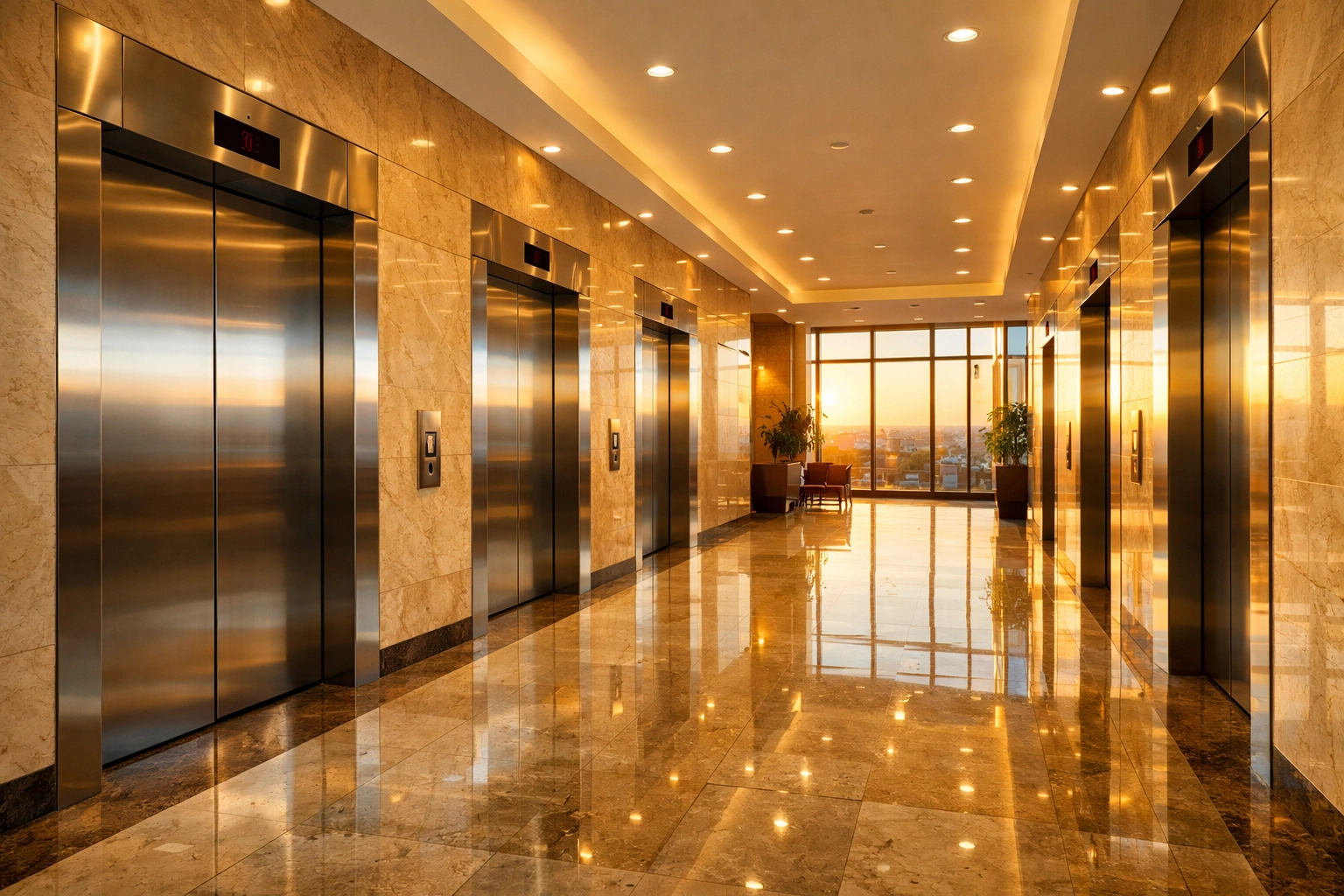
Mistake #3: Neglecting the elevator car's exterior. Most cleaning focuses on the inside, but the hallway-facing elevator doors see just as much traffic. Keep them polished and fingerprint-free.
Mistake #4: Forgetting about ventilation. Elevator vents need regular attention. Dust buildup restricts airflow and can create musty odors that linger in the enclosed space.
Mistake #5: Inconsistent maintenance schedules. Cleaning once a week isn't enough for high-traffic buildings. Daily attention to high-touch areas is essential for maintaining standards.
WHEN TO CALL IN THE PROFESSIONALS
Look, daily maintenance is crucial, but it's not everything. There's a difference between routine cleaning and professional restoration.
If your elevator surfaces show:
- Deep scratches or gouges in metal
- Permanent staining that won't respond to cleaners
- Oxidation or corrosion starting to form
- Worn protective coatings
It's time to bring in specialists. Attempting to fix these issues with standard cleaning products often makes them worse. Professional metal restoration can address structural damage, refinish surfaces, and apply protective coatings that make future maintenance easier.
We've worked on elevator interiors where property teams tried to "save money" by handling restoration themselves. The result? More damage, higher costs, and elevators out of service longer than necessary. Some problems require expertise and specialized equipment.
THE BOTTOM LINE
Clean elevators aren't a luxury: they're a baseline expectation. Every ride up or down is an opportunity to reinforce your building's professional image or damage it.
The good news? Once you establish a proper cleaning routine with the right tools and techniques, maintenance becomes straightforward. Your team knows what to do. Standards stay consistent. And tenants notice the difference.
Start with the basics: get the right products, train your team on proper techniques, and establish a schedule that fits your building's traffic patterns. Monitor results weekly. Adjust as needed.
And when you encounter issues that go beyond routine cleaning: when you need restoration, not just maintenance: that's when calling in metal restoration specialists makes financial sense. Prevention is cheaper than replacement, but catching problems early requires knowing when routine care isn't enough.
Your building's elevators see hundreds of users daily. Make sure every single one of them sees a space that reflects the quality of your property management.
Because in commercial real estate, first impressions don't just count: they compound.
Ready to take your building's metal maintenance to the next level? Explore our approach to metal restoration and maintenance and see how professional care creates lasting value.