Blog
10 Reasons Your Building's Metal Fixtures Aren't Making the Right Impression (And How to Fix It)

Your building's metal fixtures are talking: and they might not be saying what you think.
Those brass door handles, stainless steel elevator panels, and architectural railings? They're silently communicating your property's standards to every tenant, visitor, and potential client who walks through your doors. And here's the uncomfortable truth: dull, neglected metal fixtures scream "cut corners" louder than almost any other building element.
The good news? Most of these impression-killers are completely fixable. Let's break down the ten most common reasons your metal fixtures are falling flat: and exactly how to turn them around.
1. OXIDATION HAS TAKEN OVER
That cloudy, dull appearance on your bronze fixtures or the green patina creeping across copper accents? That's oxidation doing its thing. While some patina can look intentional and sophisticated, uncontrolled oxidation just looks like neglect.
The fix: Regular professional cleaning removes oxidation buildup and restores the original luster. For fixtures that have gone too long without attention, restoration services can bring them back to their original condition: often at a fraction of replacement cost.
2. FINGERPRINTS AND SMUDGES ARE PILING UP
Think about it: how many hands touch your entrance doors, elevator buttons, and lobby railings every single day? Hundreds. Maybe thousands. Each touch leaves behind oils, dirt, and residue that accumulates faster than you'd expect.
The fix: Establish a consistent cleaning schedule that matches your building's traffic levels. High-traffic areas like entrance doors and elevator interiors need attention weekly: sometimes daily for premium properties.
3. YOU'RE USING THE WRONG CLEANING PRODUCTS
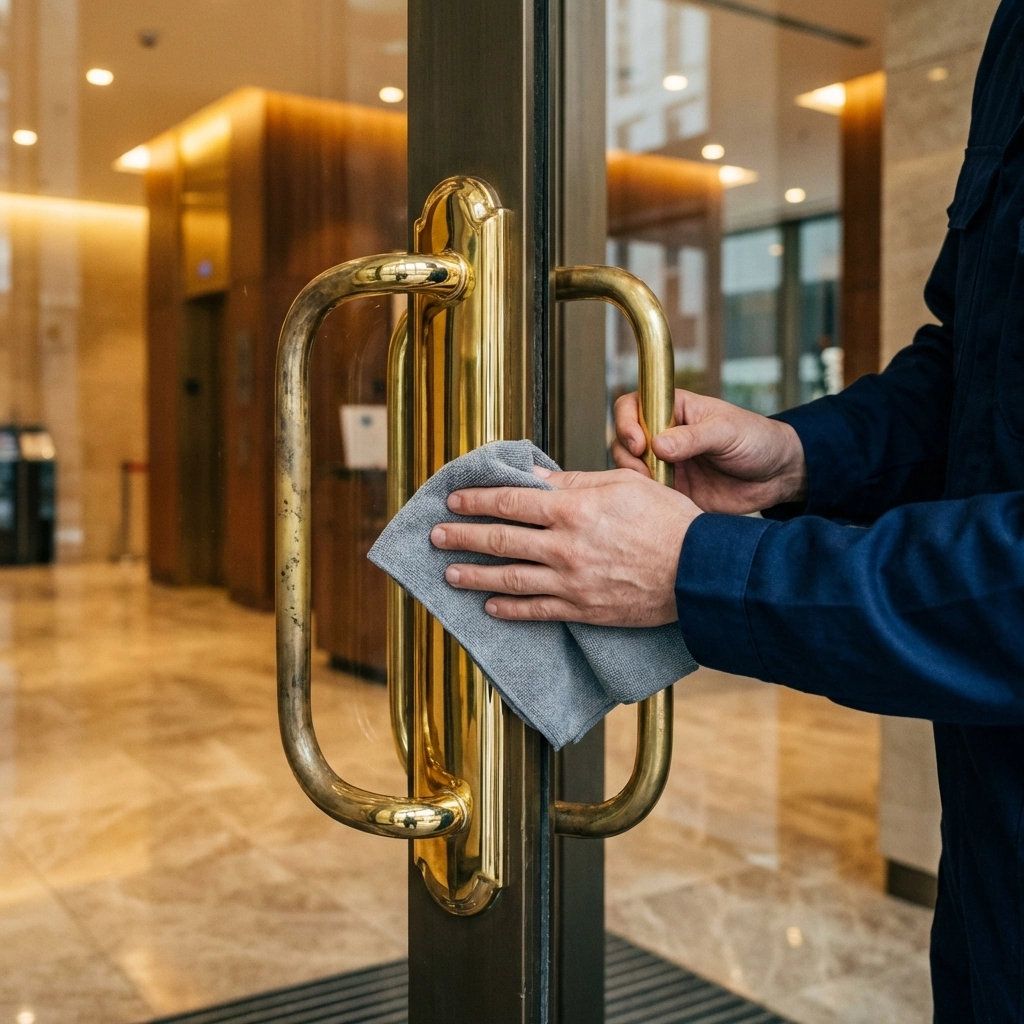
Here's where many property managers get it wrong: grabbing whatever all-purpose cleaner is on hand and expecting great results. The reality? Standard household cleaners can actually damage metal surfaces, stripping protective coatings and accelerating corrosion.
Different metals require different approaches. Brass needs something entirely different than stainless steel. Aluminum reacts poorly to alkaline cleaners. And harsh chemicals can permanently etch delicate finishes.
The fix: Work with professionals who understand metal chemistry: or at minimum, research the specific requirements for each fixture type in your building. The wrong product today means expensive restoration tomorrow.
4. SCRATCHES AND SURFACE DAMAGE HAVE ACCUMULATED
Small scratches seem insignificant at first. But over months and years, they compound into a dull, worn appearance that no amount of polishing can hide. Moving furniture, cleaning equipment bumping against surfaces, keys scraping handles: it all adds up.
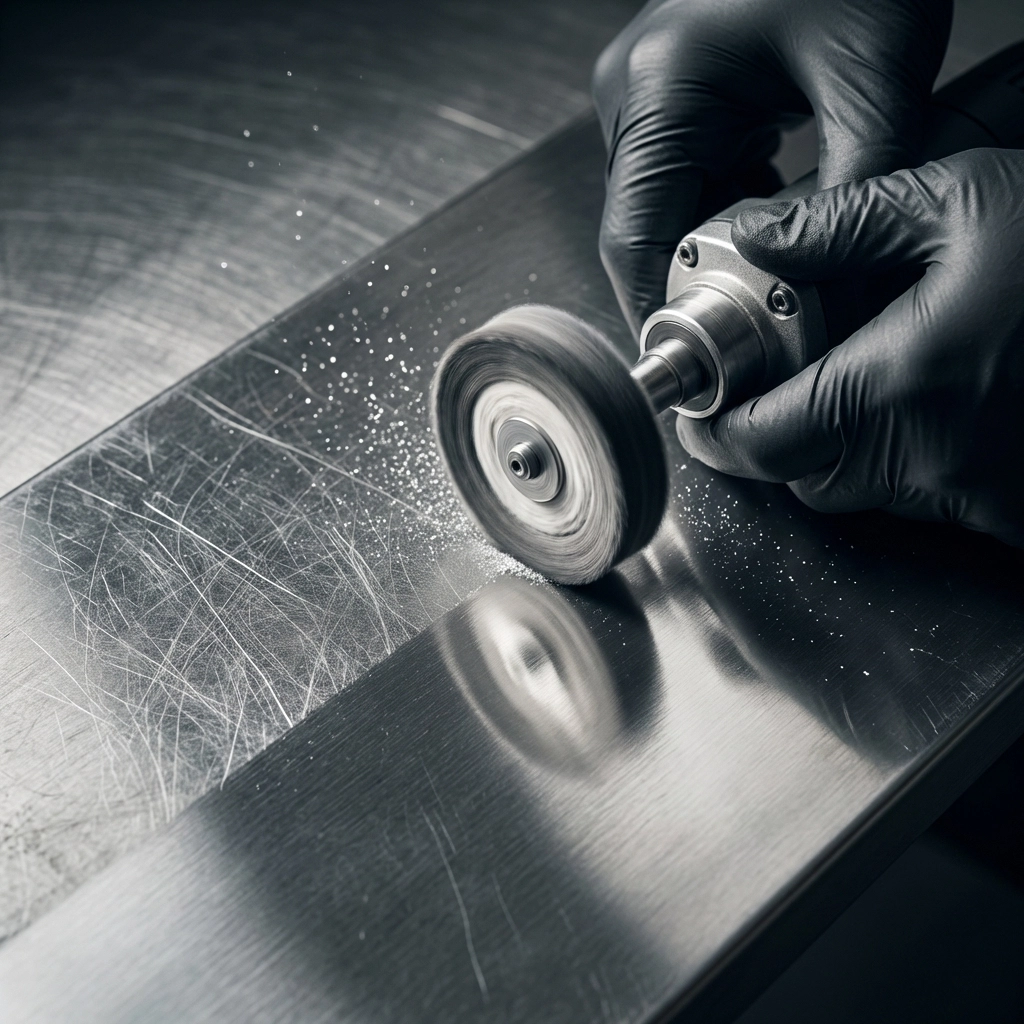
The fix: Professional metal restoration can often buff out minor scratches and refinish surfaces to like-new condition. For deeper damage, specialized techniques can restore the original texture and sheen. Prevention matters too: installing protective barriers in high-risk areas saves significant restoration costs down the line.
5. YOUR FIXTURES ARE SIMPLY OUTDATED
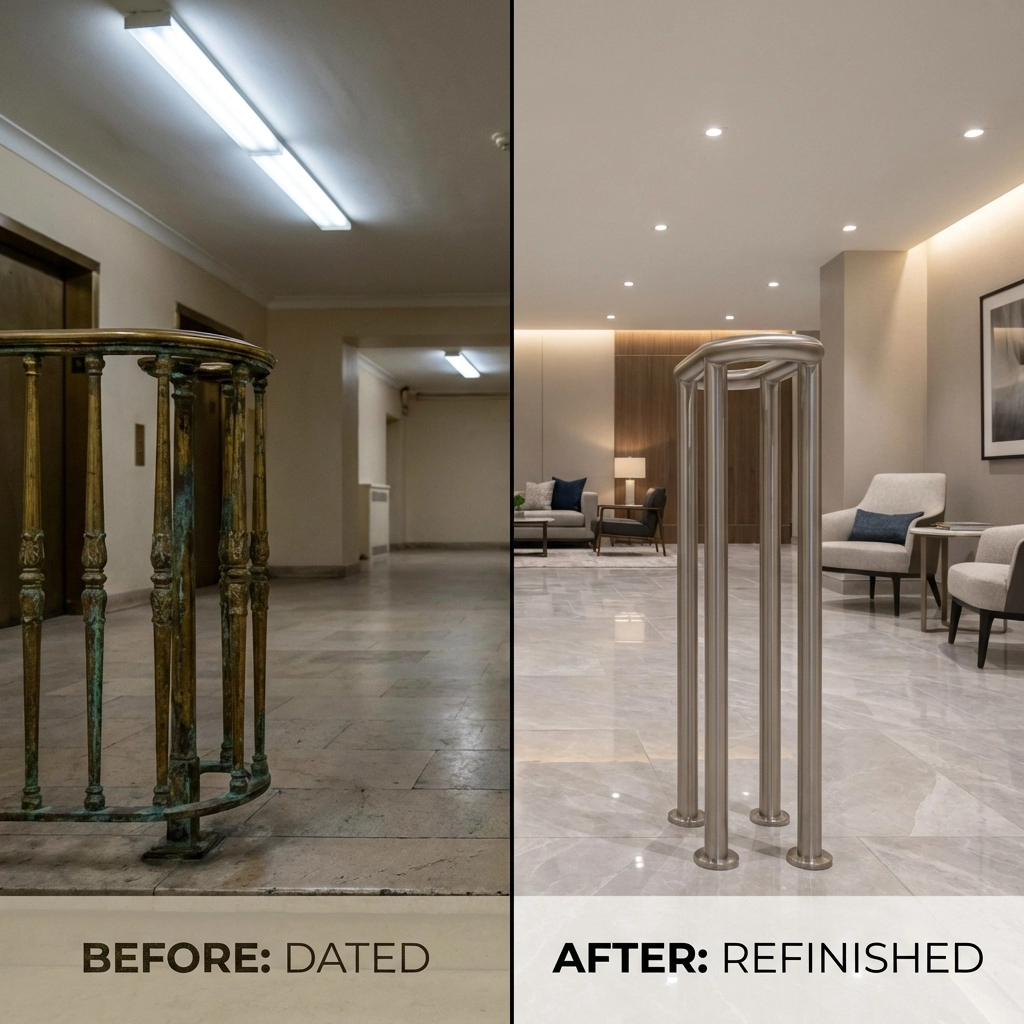
Sometimes the issue isn't maintenance: it's that your metal fixtures are screaming "1987" in a building that's trying to project modern professionalism. Dated brass finishes, ornate designs that feel heavy and old-fashioned, or styles that clash with recent renovations can undermine your entire aesthetic.
The fix: You don't always need full replacement. Professional refinishing can transform outdated brass to contemporary brushed nickel or update tired chrome to sleek matte black. It's a cost-effective way to modernize without the price tag of new fixtures.
6. POOR LIGHTING IS WORKING AGAINST YOU
Metal fixtures are highly reflective: which means lighting makes or breaks their appearance. Harsh overhead fluorescents can highlight every imperfection and make even well-maintained surfaces look industrial and cold. Dim lighting hides the shine you've worked to maintain.
The fix: Evaluate your lighting alongside your metal maintenance strategy. Sometimes adjusting light placement or temperature transforms how fixtures appear. Warm lighting enhances brass and bronze; cooler tones complement stainless steel and chrome.
7. ENVIRONMENTAL FACTORS ARE CAUSING HIDDEN DAMAGE
Your building's environment is constantly attacking your metal fixtures: whether you realize it or not. Humidity causes condensation and corrosion. Salt air near coastal areas accelerates deterioration. Even air conditioning systems can create moisture problems that damage metal surfaces from the inside out.
The fix: Address the root causes, not just the symptoms. Proper ventilation reduces humidity damage. Protective coatings create barriers against environmental stressors. Regular inspections catch problems early, before they become visible disasters.
8. HIGH-TRAFFIC AREAS ARE GETTING OVERLOOKED
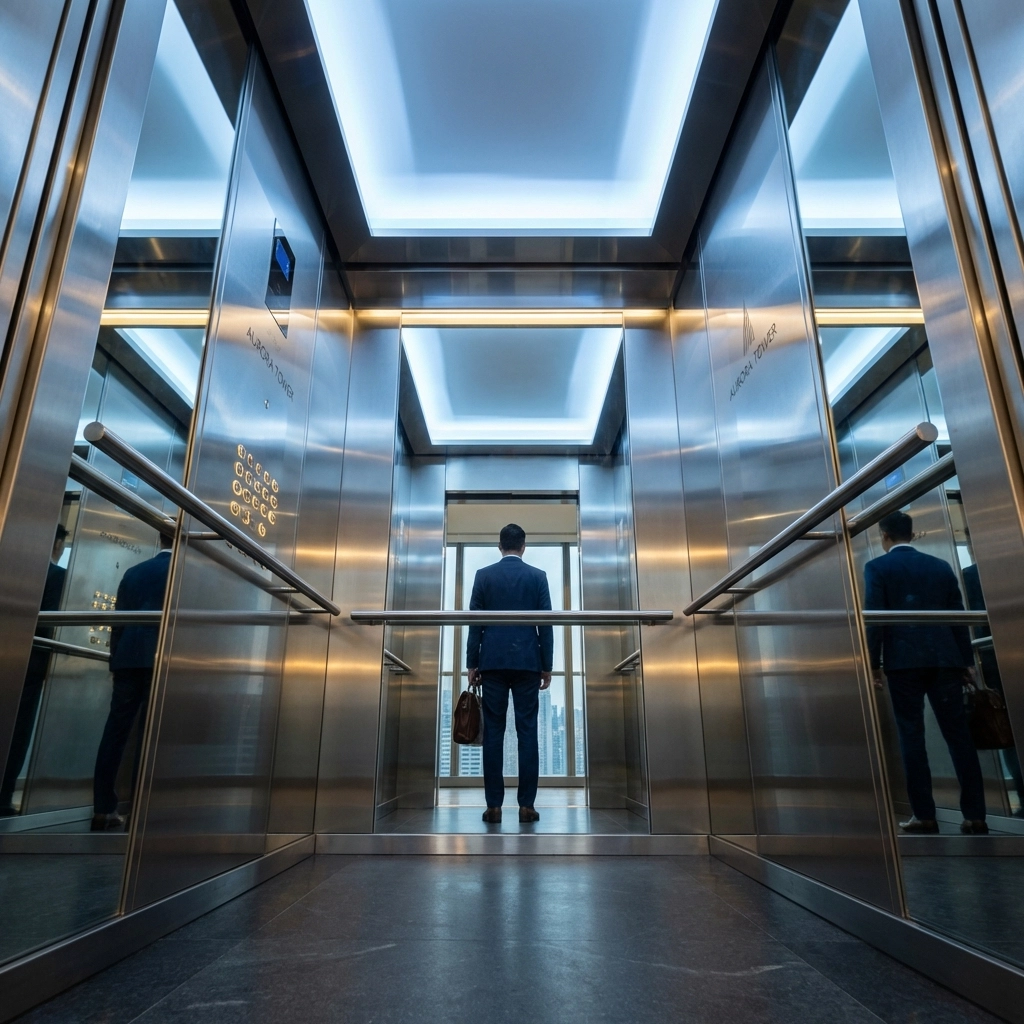
It's ironic: the metal fixtures that matter most: the ones everyone sees and touches: often receive the least consistent attention. Elevator interiors get a quick wipe-down while detailed restoration gets perpetually postponed. Entrance hardware receives a spray-and-pray cleaning that never really addresses buildup.
The fix: Flip your priorities. Your highest-visibility, highest-traffic fixtures deserve the most attention and the most professional care. These are the surfaces that shape first impressions: and first impressions happen only once.
9. YOU'RE WAITING TOO LONG BETWEEN MAINTENANCE
Here's the expensive truth: deferred maintenance always costs more than proactive maintenance. A fixture that needs quarterly professional cleaning might need full restoration after two years of neglect. And restoration costs three to five times what regular maintenance would have.
Minor oxidation becomes deep corrosion. Surface smudges become permanent staining. Small scratches become irreversible damage.
The fix: Create a maintenance calendar and actually stick to it. Budget for regular professional cleaning as a predictable operating expense: not an emergency repair cost that blows up your quarterly numbers.
10. DIY APPROACHES AREN'T CUTTING IT
Your maintenance staff works hard. But metal restoration requires specialized knowledge, professional-grade products, and techniques that general cleaning crews simply don't have. There's no shame in that: it's just a different skill set.
When in-house teams tackle metal maintenance, you often get one of two outcomes: either surfaces aren't properly cleaned and still look dull, or aggressive cleaning damages finishes that now need professional repair.
The fix: Let your team handle routine wipe-downs, but bring in metal restoration specialists for deep cleaning and restoration work. It's not about replacing your staff: it's about giving your fixtures the expert attention they require.
THE BOTTOM LINE
Your metal fixtures are an investment that either appreciates or depreciates based on how you care for them. Neglected metals don't just look bad: they actively communicate that your building's standards are slipping. And that perception affects tenant retention, lease rates, and property value.
The flip side? Well-maintained metal fixtures project quality, attention to detail, and professional management. They make every other element of your building look better by association.
Most of these issues are completely reversible. Oxidation can be removed. Finishes can be restored. Scratches can be buffed. Outdated appearances can be modernized. It starts with recognizing the problem: and committing to solving it.
Your building's metal is talking. Make sure it's saying the right things.
Ready to transform your building's metal fixtures from liability to asset? Explore our blog for more maintenance insights, or reach out to discuss what your property needs.